I Ching

I Ching Basics: Understanding the Book of Changes

This page explains I Ching Basics: Understanding the Book of Changes as a practical cultural reference, covering the core idea, common use cases, careful checks, and responsible limits so readers can compare traditional guidance with real conditions.

2026-02-22 · Updated 2026-06-07

B

Reviewed by BaZi Report Editorial Team

Our editorial team researches classical Chinese metaphysics and feng shui texts, fact-checks references against the original sources, and reviews every article before publication. We aim to keep traditional concepts clear and practical, and we stay transparent about what these readings can and cannot tell you.

Use this guide to understand I Ching Basics: Understanding the Book of Changes in context, compare several signals, and avoid treating any single traditional rule as a fixed promise.

The I Ching is a book of pattern recognition, not a fortune-telling device

The I Ching (易经), or Book of Changes, is one of the oldest books in the world. It originated in China over 3,000 years ago as a divination manual and evolved into a philosophical text that influenced Confucianism and Daoism. The core idea of the I Ching is that everything is in a state of change, and that by understanding the pattern of change, you can make better decisions.

The I Ching consists of 64 hexagrams (卦, gua), each made of six lines. Each line can be either unbroken (yang, —) or broken (yin, - -). The hexagrams are built from eight trigrams (three-line figures) that represent fundamental natural forces: Heaven (☰), Earth (☷), Thunder (☳), Water (☵), Mountain (☶), Wind (☴), Fire (☲), and Lake (☱).

The honest view: the I Ching is not a magical device that predicts the future. It is a pattern-recognition system that helps you think about a situation from a different angle. When you consult the I Ching, you are not asking a supernatural force to tell you what will happen. You are using a structured framework to reflect on a question. The hexagram you receive is a prompt for reflection, not a verdict.

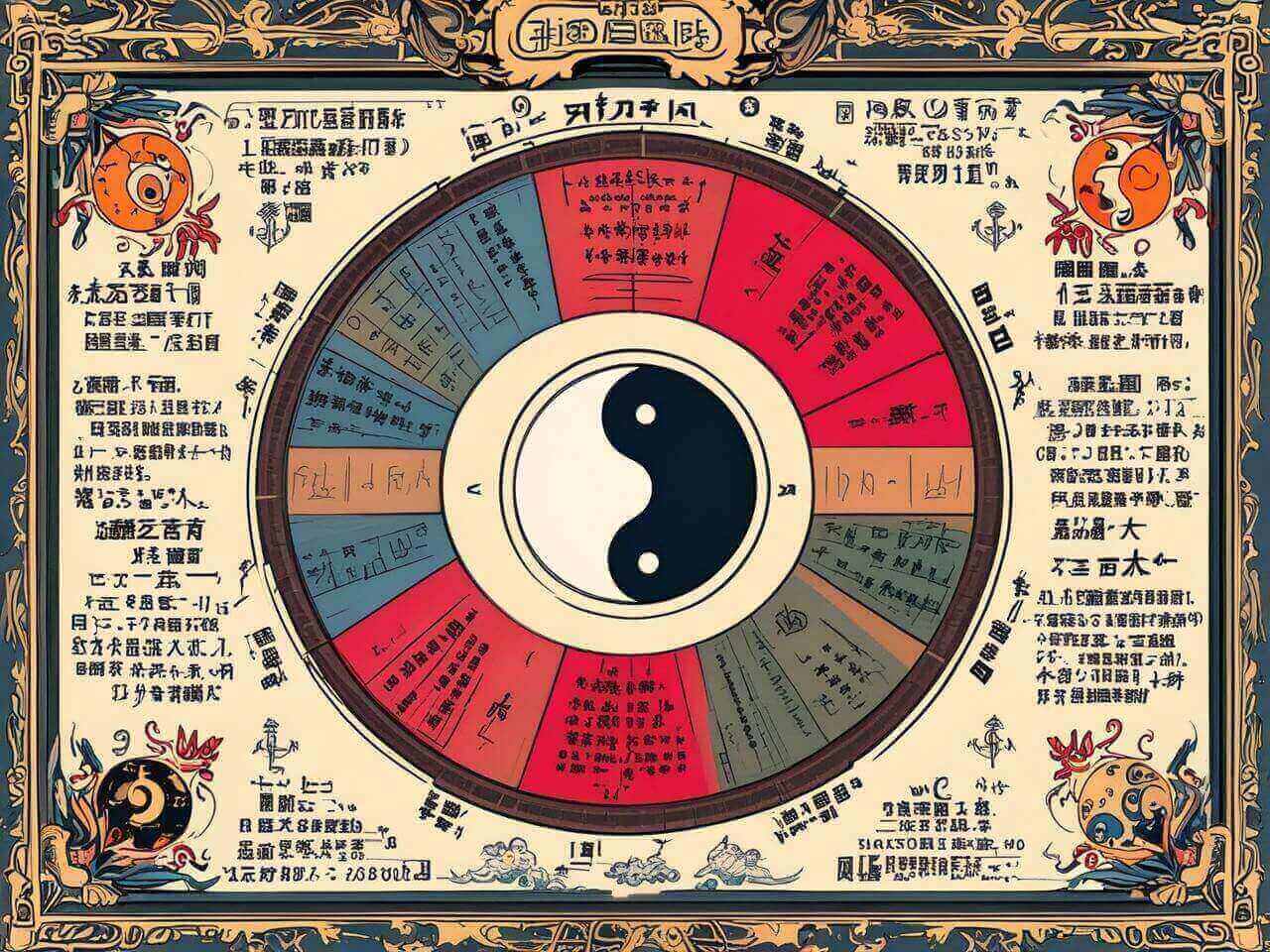
I Ching Book of Changes hexagram reference showing the 64 gua and trigram structure diagram

How the I Ching actually works

Here is a breakdown of the I Ching's components:

ComponentWhat it isHow it worksWhy it matters
Trigrams (八卦)Eight three-line figures that represent fundamental forcesEach trigram is associated with a natural element, a direction, a family member, and a set of qualities. For example, ☰ (Qian, Heaven) represents creativity, strength, and the fatherTrigrams are the building blocks of hexagrams. Understanding the eight trigrams is the first step to understanding the 64 hexagrams
Hexagrams (六十四卦)64 six-line figures made by combining two trigramsEach hexagram is a pair of trigrams — one above, one below. The interaction between the two trigrams is the core meaning of the hexagram. For example, hexagram 11 (泰, Peace) is Earth above Heaven — the earthly and the heavenly in harmonyEach hexagram has a name, a judgment text, and line texts. The judgment describes the situation. The line texts describe the dynamics within the situation
Changing lines (变爻)Lines that change from yang to yin or vice versaWhen you cast a hexagram, some lines may be 'changing'. These lines are read for additional guidance, and the hexagram transforms into a new hexagram — the 'relating' hexagram — which describes where the situation is headingChanging lines indicate the dynamic aspects of the situation. A hexagram with no changing lines describes a stable situation. A hexagram with multiple changing lines describes a situation in transition
The judgment (卦辞)The core text associated with each hexagramThe judgment is a short text, usually attributed to King Wen of Zhou, that describes the essential quality of the hexagram. For example, the judgment of hexagram 1 (乾, The Creative) is: 'The Creative works sublime success, furthering through perseverance'The judgment gives you the overall theme. It is the starting point for interpretation. Read the judgment first, then the line texts, then the relating hexagram

The three methods of consulting the I Ching

There are three common methods for consulting the I Ching:

  • The three-coin method (三枚铜钱法): Toss three coins six times. Each toss produces one line, from bottom to top. Three heads is a changing yang line (—o—), three tails is a changing yin line (- -x- -), two heads and one tail is a stable yang line (—), two tails and one head is a stable yin line (- -). This is the most popular method because it is simple and requires only three coins.
  • The yarrow stalk method (蓍草法): Use 50 yarrow stalks (or any thin sticks) and follow a complex counting procedure to generate each line. This method is traditional and meditative. It takes about 20 minutes to complete. The yarrow method is considered more 'authentic' by traditionalists, but the probabilities are the same as the coin method, so the result is not more accurate.
  • The Plum Blossom method (梅花易数): A more advanced method that uses numbers, dates, sounds, or other phenomena to derive the hexagram. This method is faster and more flexible than the coin or yarrow methods. It is often used for quick consultations when you do not have coins or stalks available.

A worked example: consulting the I Ching about a career decision

A woman is considering whether to accept a job offer at a new company or stay at her current job. She decides to consult the I Ching using the three-coin method. She formulates her question: 'What should I consider about the job offer at the new company?'

She tosses the coins six times. The result is: line 1 (bottom) — changing yang, line 2 — stable yin, line 3 — stable yang, line 4 — stable yang, line 5 — stable yin, line 6 (top) — stable yang. The hexagram is ䷀ (hexagram 1, Qian, The Creative) with a changing line at the bottom. The relating hexagram is ䷫ (hexagram 44, Gou, Coming to Meet), formed by changing the bottom line from yang to yin.

She reads the judgment of hexagram 1: 'The Creative works sublime success, furthering through perseverance.' The theme is about creative action and persistence. The changing line at the bottom says: 'Hidden dragon. Do not act.' This suggests that the time is not yet right for action — she should wait and gather more information before making a decision.

She reads the relating hexagram 44: 'Coming to Meet. The maiden is powerful. One should not marry such a maiden.' This suggests a encounter with something that appears attractive but may not be what it seems. The job offer may look good on the surface but has hidden issues.

She decides to ask more questions during the interview process — about team culture, management style, and growth opportunities. The I Ching did not tell her whether to take the job. It prompted her to investigate more carefully before acting. That is how the I Ching works: it is a tool for reflection, not a decision-making machine.
The honest limit

The I Ching is a 3,000-year-old system of pattern recognition and reflection. It is not a fortune-telling device. It does not predict the future. It provides a framework for thinking about a situation from a different perspective. The hexagram you receive is a prompt for reflection, not a verdict. Use the I Ching as a tool for self-reflection, not as a substitute for your own judgment. The best decision is the one you make with careful thought, not the one the coins tell you to make.

Disclaimer: This content is for informational and cultural reference purposes only. It does not constitute professional medical, legal, financial, or psychological advice. Readers should exercise their own judgment and consult qualified professionals for specific concerns.

Keep reading

Related articles

Content Note

This article is based on publicly available materials in traditional Chinese metaphysics and feng shui. It is intended as cultural reference and background knowledge only. Metaphysical predictions and feng shui suggestions are not substitutes for professional medical, legal, financial, or psychological advice. We encourage readers to apply their own judgment when interpreting the content. Learn more about our content guidelines