An elderly bedroom is not just a bedroom — it is a room where someone spends more hours
Feng shui for an elderly person's bedroom starts from a different premise than a younger adult's bedroom. An older person typically spends more time in the bedroom — not just sleeping, but resting during the day, reading, sitting by the window. The room is a bedroom, a sitting room, and sometimes a recovery room all in one. The feng shui question shifts from 'how to optimise for sleep' to 'how to make this room feel safe, calm, and easy to live in for extended hours.'
The classical feng shui texts do not have a dedicated chapter on elderly bedrooms, but the principles that apply — stability, accessibility, calm, and a sense of being supported — are the same principles that underpin good care for anyone who spends most of their day in one room.
Safety first: the things feng shui does not mention but you must
Before any feng shui adjustment, the room must be physically safe. These are not feng shui rules; they are basic safety for someone who may have reduced mobility, vision, or balance:
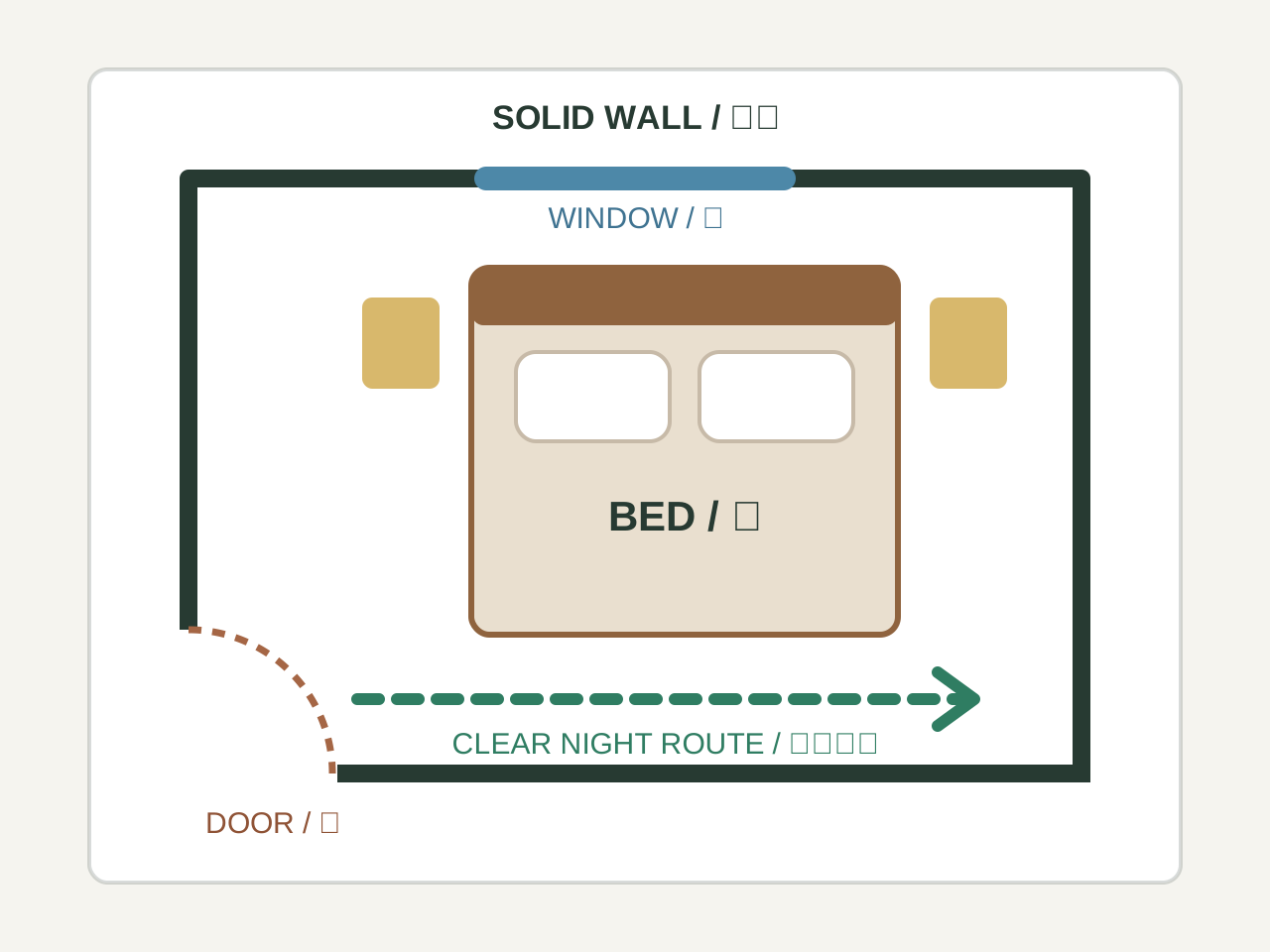
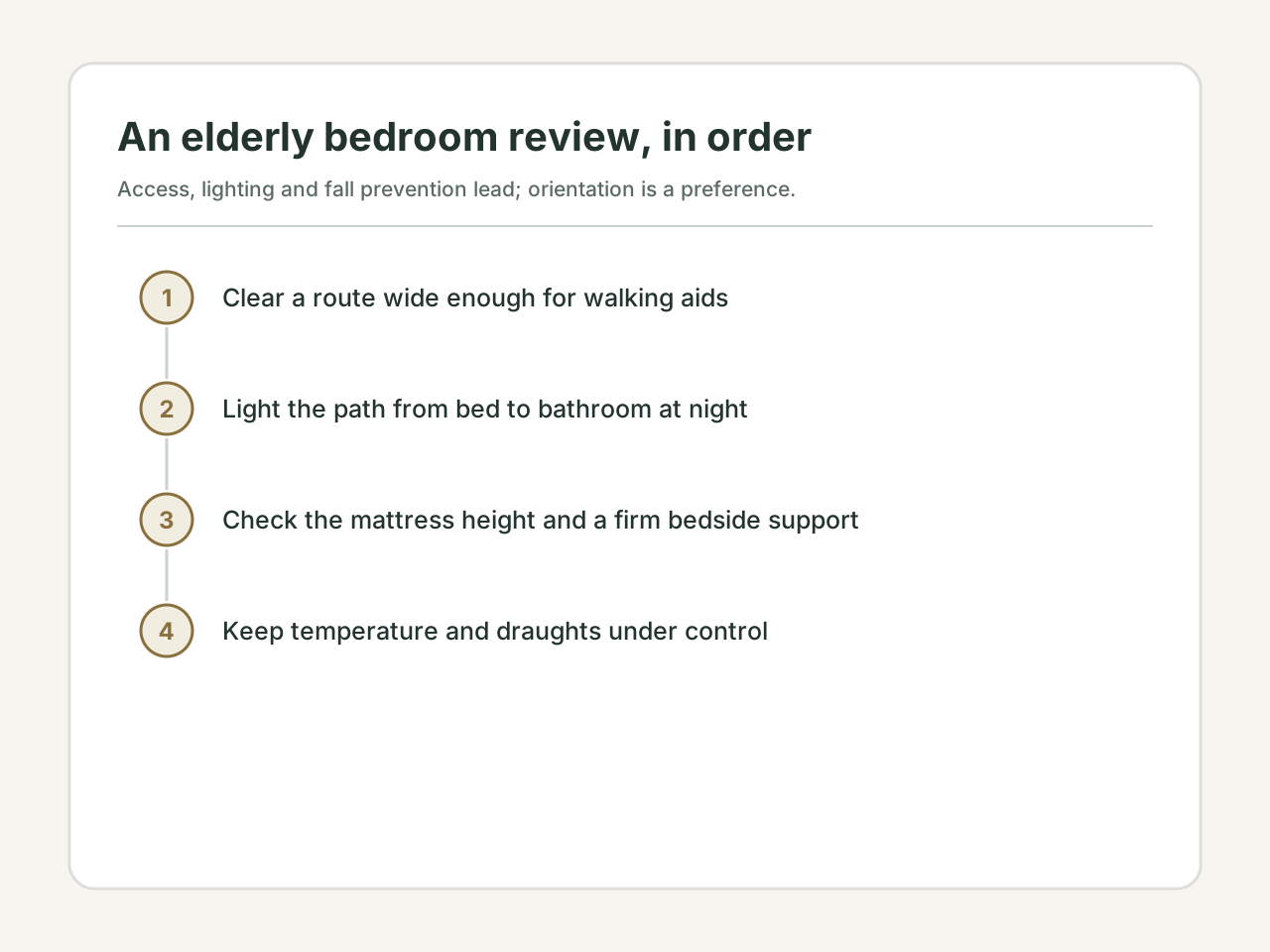
- Clear, wide pathways from the bed to the door and the bathroom. No rugs that can slip, no cables across the floor, no furniture corners at shin height in the walkway. The feng shui concept of 'unobstructed flow' maps directly onto fall prevention.
- A bed that is the right height — high enough to sit down onto and stand up from without straining, low enough that feet can rest flat on the floor when sitting on the edge. The ideal height is roughly knee-height for the person using it.
- A bedside table within arm's reach, with a lamp that can be turned on without getting out of bed. A phone or emergency call button on that same table.
- Good lighting at floor level for nighttime trips to the bathroom. A plug-in nightlight or motion-sensor light along the path is more useful than any feng shui cure.
Bed placement: the rules that matter for an older person
The standard feng shui bed rules apply, but some matter more and some matter less for an elderly sleeper:
| Rule | Why it matters for an elderly person | Priority |
|---|---|---|
| Bed against a solid wall, headboard touching the wall | A solid headboard wall provides physical stability — the bed does not shift — and a psychological sense of being supported. This is the single most important rule. | Essential |
| Command position: can see the door from the bed | An older person who can see who enters the room feels safer. If the bed cannot face the door, angle a mirror so the door is visible from the pillow. | High |
| No bed under a window | Windows mean drafts, light, and noise — all of which disrupt fragile sleep. Also, an older person may feel less secure with a window directly behind their head. | High |
| No bed under a beam or ceiling fan | A beam or fan directly overhead reads as a threat. For someone already anxious about health, this adds low-level stress. | Medium |
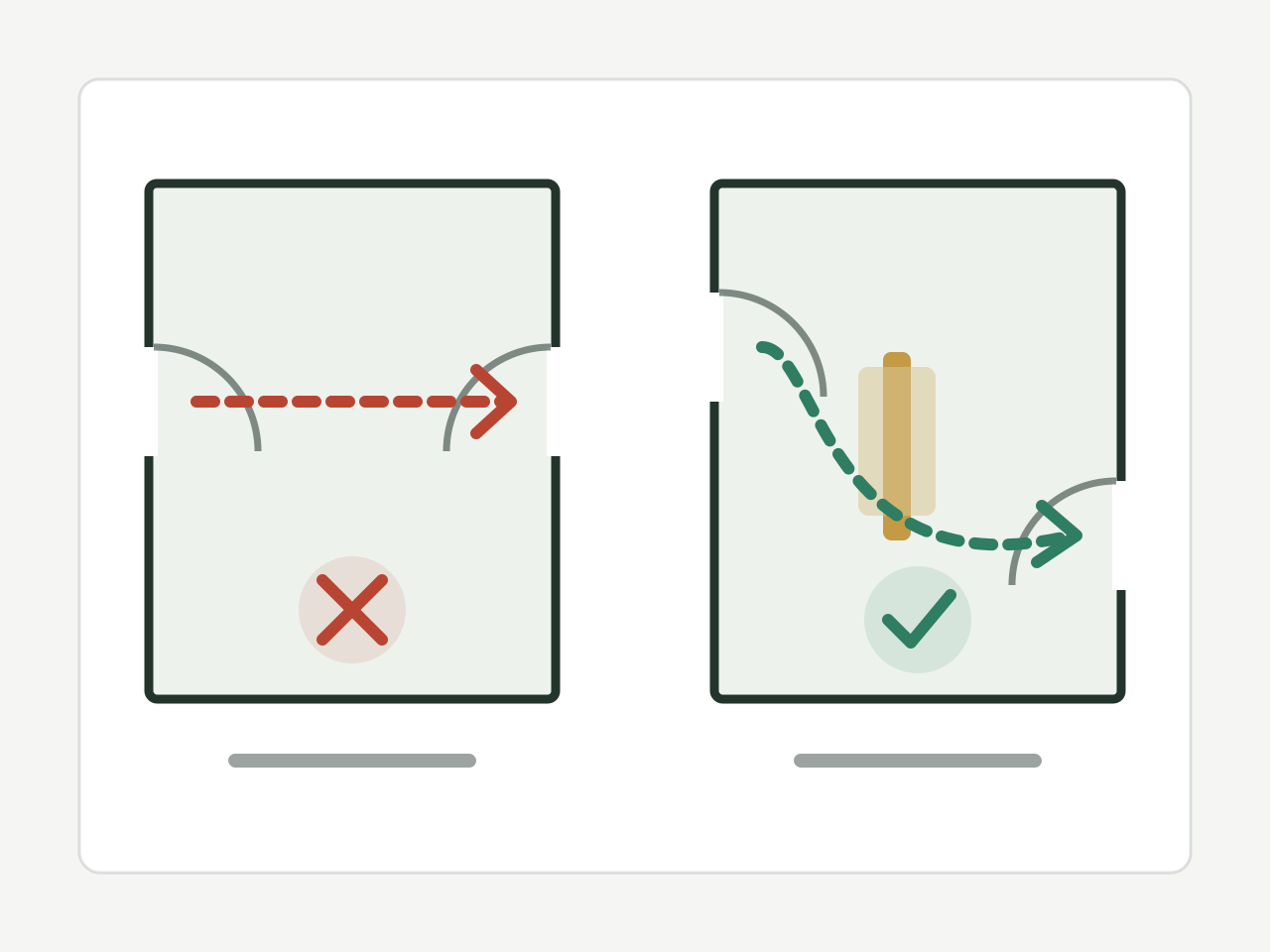
| Bed not in line with the door | The 'coffin position' (feet pointing directly out the door) is traditionally avoided. For an elderly person, the practical concern is drafts from the doorway. | Medium |
Lighting: the most underrated variable for elderly sleep
Older eyes need more light to see clearly — roughly two to three times more than a twenty-year-old's eyes. At the same time, older sleep is more easily disrupted by light at the wrong time. This creates a specific lighting challenge that feng shui, with its emphasis on balanced light, addresses well.
The practical solution: at least three layers of light in the room. A soft overhead light for general illumination during the day. A focused reading light by the bed or chair. A very dim nightlight that stays on all night or is motion-activated. The key is that no single light source should be harsh — avoid bare bulbs, use warm-colour-temperature bulbs (2700K), and put everything on dimmers or multi-level switches.
Natural light during the day is equally important. It helps regulate the circadian rhythm, which tends to weaken with age. If the room has a window, keep curtains open during daylight hours. If the room is naturally dark, a daylight-spectrum lamp on a timer can help.
A worked example: rearranging a mother's bedroom
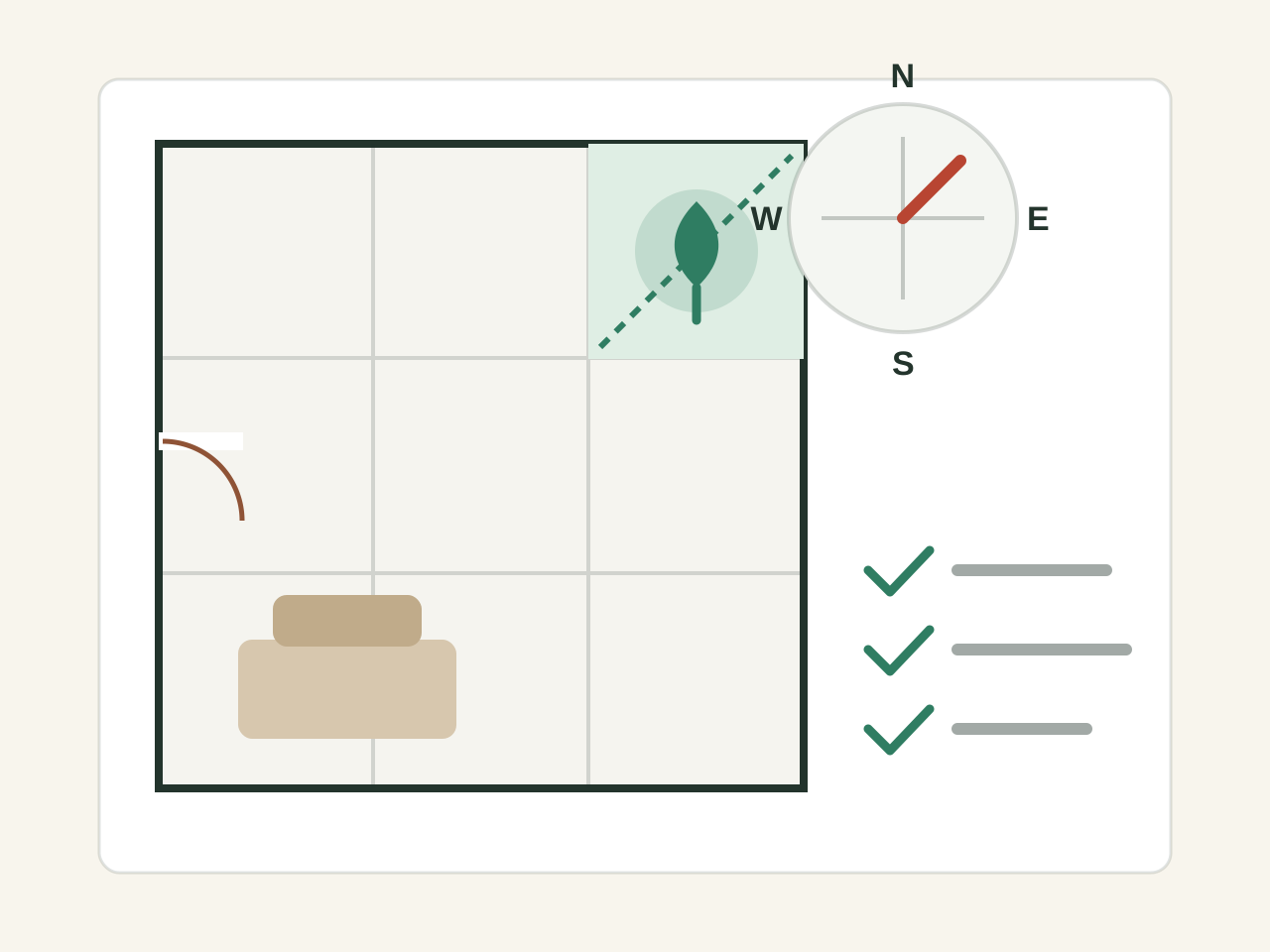
A family is setting up a bedroom for their 78-year-old mother who has moved in with them. The room is 14 square metres with one window on the east wall and the door on the south wall. The initial setup has the bed against the west wall, headboard under the window, a small bedside table, and an armchair in the corner.
The problems: the bed under the window means the mother feels a draft at night and wakes with the morning sun directly on her face. The walkway from the bed to the door is narrow and passes a sharp-cornered dresser. The room has one overhead light with a pull chain, which the mother cannot reach easily from the bed.
The feng shui-informed rearrangement: the bed moves to the north wall, headboard against a solid wall, with a clear sightline to the door. The armchair goes by the window, where the mother can sit and look outside during the day. The dresser moves to the west wall, away from the walkway. A three-level lighting system replaces the single overhead: a warm ceiling fixture on a wall switch, a reading lamp on the bedside table, and a plug-in motion-sensor nightlight along the path to the bathroom.
The result: the mother sleeps better because the bed is out of the draft and the morning light. She feels safer because she can see the door from the bed. She can get to the bathroom at night without fumbling for a light. The total cost was a few hundred dollars for lighting and a weekend of rearranging furniture.
Colour, clutter, and the feeling of calm
The colour palette for an elderly bedroom should support calm without being depressing. The practical guidelines:
- Warm, muted tones work best: soft beige, warm grey, pale peach, light sage green. These colours read as calm without being cold. Avoid stark white (which can feel clinical) and dark colours (which absorb light and make the room feel smaller).
- Clutter is a safety hazard and a mood drain. An elderly person's room should have clear surfaces, labelled drawers, and nothing on the floor that is not furniture. The feng shui principle of 'clear space, clear mind' applies doubly here.
- Personal items that bring comfort — family photos, a favourite painting, a familiar blanket — belong in the room. These are not clutter; they are emotional anchors. The tradition calls this 'sheng qi' (living energy), and the practical version is that familiar, loved objects make a room feel like home.
- Plants are good if someone can care for them. A low-maintenance plant like a peace lily or snake plant adds life without adding a chore. Avoid plants with thorns or sharp leaves.
The real limit of elderly bedroom feng shui
A well-arranged elderly bedroom supports rest, safety, and peace of mind. It does not prevent illness, extend life, or guarantee health. Feng shui is a framework for making a room feel right — and for someone who spends most of their day in one room, 'feeling right' matters a great deal. But it is a complement to medical care, not a substitute. Focus on the things that are within your control: a safe layout, good light, a comfortable bed, and a room that feels like a refuge, not a hospital room.
Disclaimer: This content is for informational and cultural reference purposes only. It does not constitute professional medical, legal, financial, or psychological advice. Readers should exercise their own judgment and consult qualified professionals for specific concerns.