A child's room has different rules because it serves different needs
A child's bedroom is not a scaled-down adult bedroom. It is a room that needs to support three distinct activities: sleep, play, and study. The feng shui tradition treats children's rooms as special because children are more sensitive to their environment and because the room changes function as the child grows.
The core principle is zoning. The room should have clear zones for sleep, study, and play, even if the room is small. A child who sleeps, studies, and plays in the same undifferentiated space has a harder time transitioning between activities, and the room feels chaotic.
The four zones every child's room needs
These are the non-negotiables, for any age from toddler to teenager:
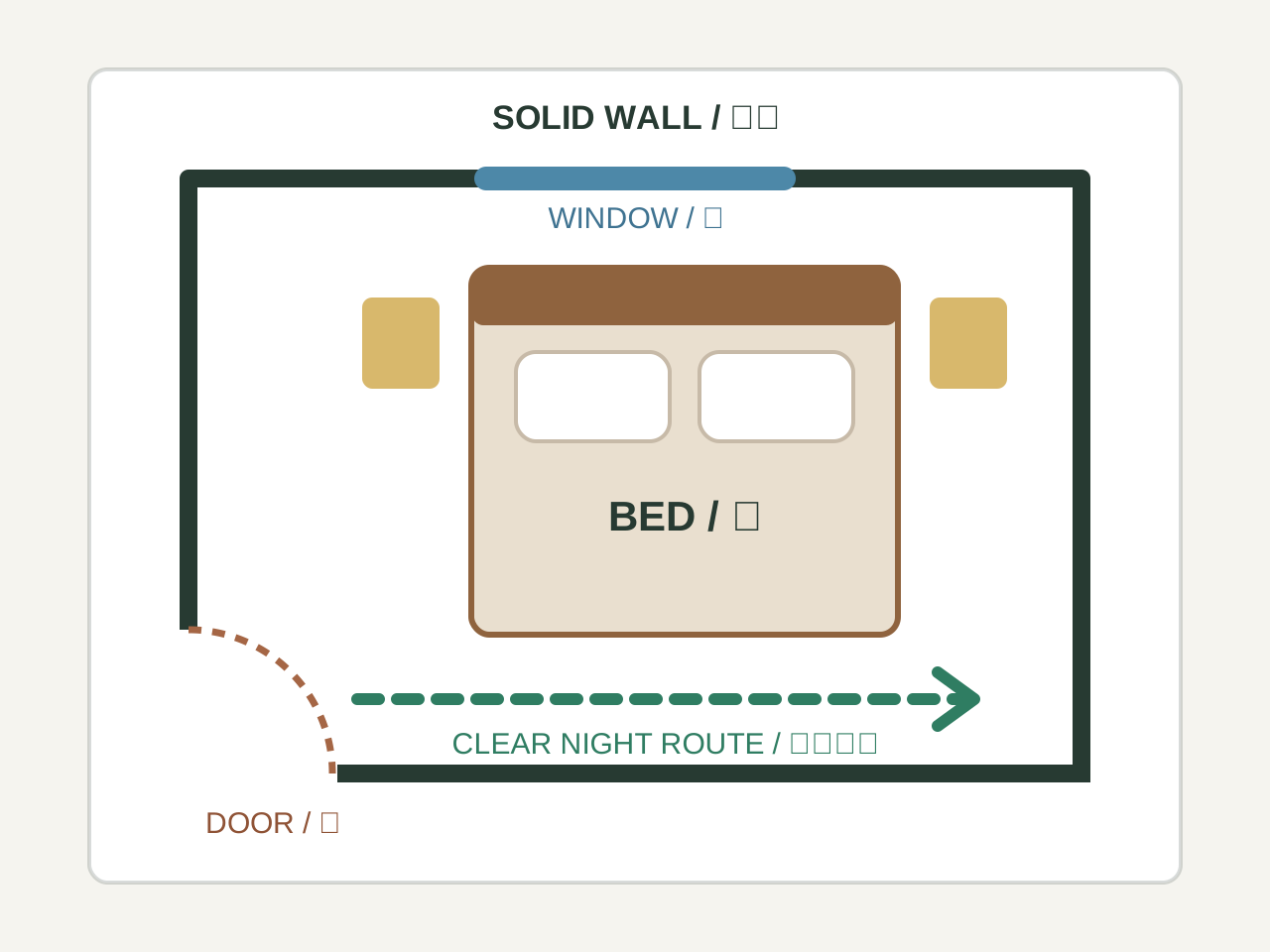
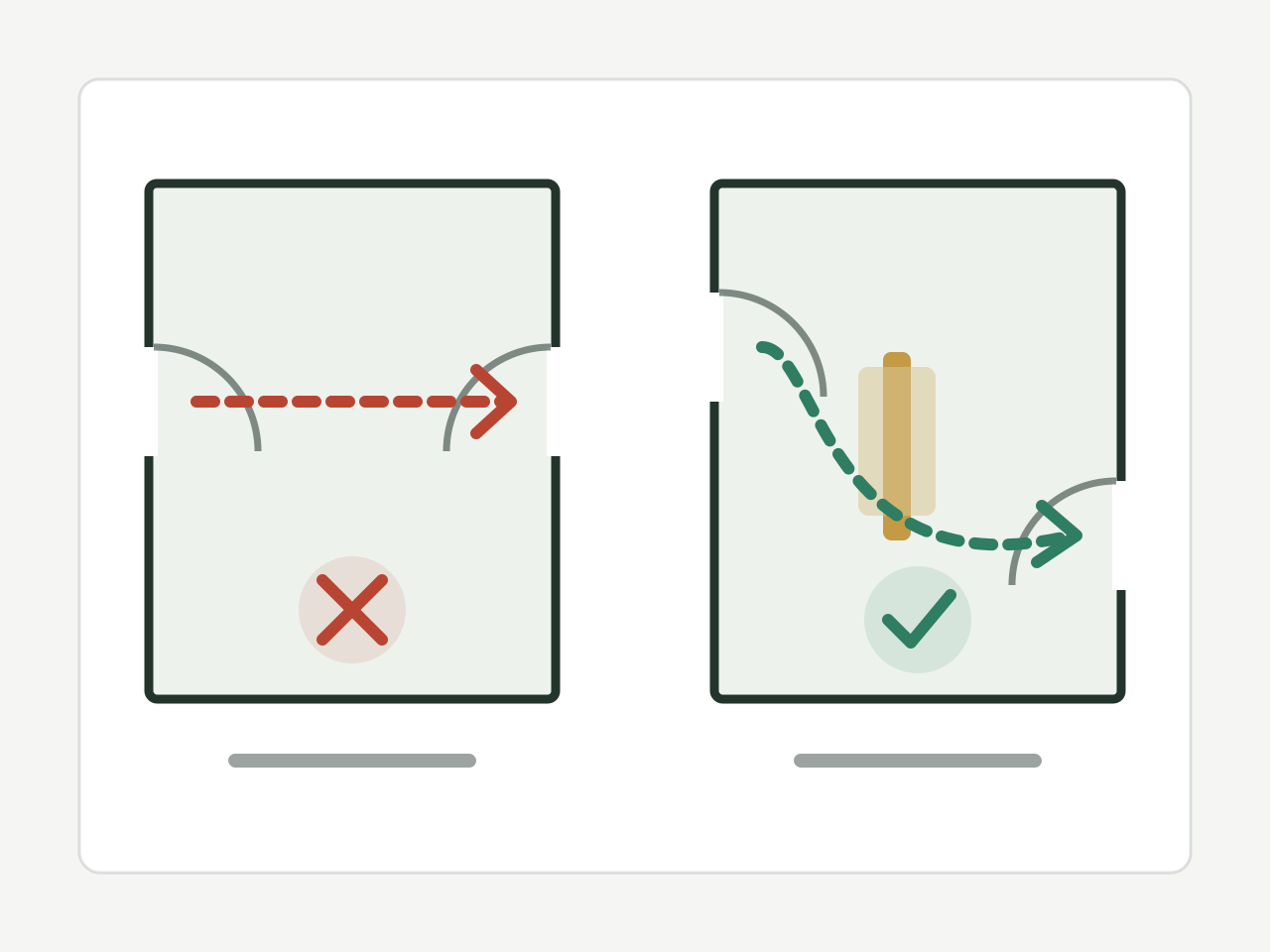
- Sleep zone: the bed in the command position, with a solid headboard against a wall, not under a window, and not directly in line with the door. The sleep zone should be the quietest, darkest part of the room.
- Study zone: a desk with a view of the door, good natural or task lighting, and a chair that supports proper posture. The study zone should be separate from the bed, not a laptop on the pillow.
- Play zone: an open floor area with accessible storage for toys. The play zone should be near the door, not in the deepest corner, so the child can flow in and out of play naturally.
- Storage zone: closed storage for clothes, toys, and school supplies. Open shelving creates visual noise that makes it harder for a child to settle down. Low, accessible storage teaches independence.
A worked example: the room that grows with the child
A child's room at age 4 is a playroom with a bed. The same room at age 12 needs a study desk, privacy, and less pastel. The feng shui approach is to plan the room for the next phase, not the current one. Place the bed against the wall that will still work when the child is a teenager: the command position does not change with age. Place the desk where it will get good light for years, not just for the current homework load.
The fix for a room that feels too young: swap out the bedding, the wall art, and the accessories. The furniture layout should stay stable. A room that is rearranged every year never feels settled, and children read that instability. Invest in a bed, desk, and storage that work from age 5 to 15, and change the decoration to match the age.
Colour in a child's room: what actually matters
The most common mistake in children's room feng shui is overstimulating colour. A room painted bright red or covered in busy wallpaper patterns is visually exhausting for a child who needs to sleep there. The colour guidelines are simple:
| Age | What works | What to avoid |
|---|---|---|
| 0–3 years | Soft, warm neutrals; pale yellows, warm whites, soft greens | Bright colours, high-contrast patterns, anything that reads as stimulating |
| 3–7 years | Light, cheerful colours with one accent wall; pastels with a bright focal point | Dark colours that make the room feel smaller, overly busy wallpaper |
| 7–12 years | The child's preference, moderated; blues, greens, warm neutrals | Full-room themes that the child will outgrow in a year |
| 12+ years | The teenager's choice; let them own the room | Imposing your taste on a room that needs to feel like theirs |
Safety and the things that feng shui does not mention
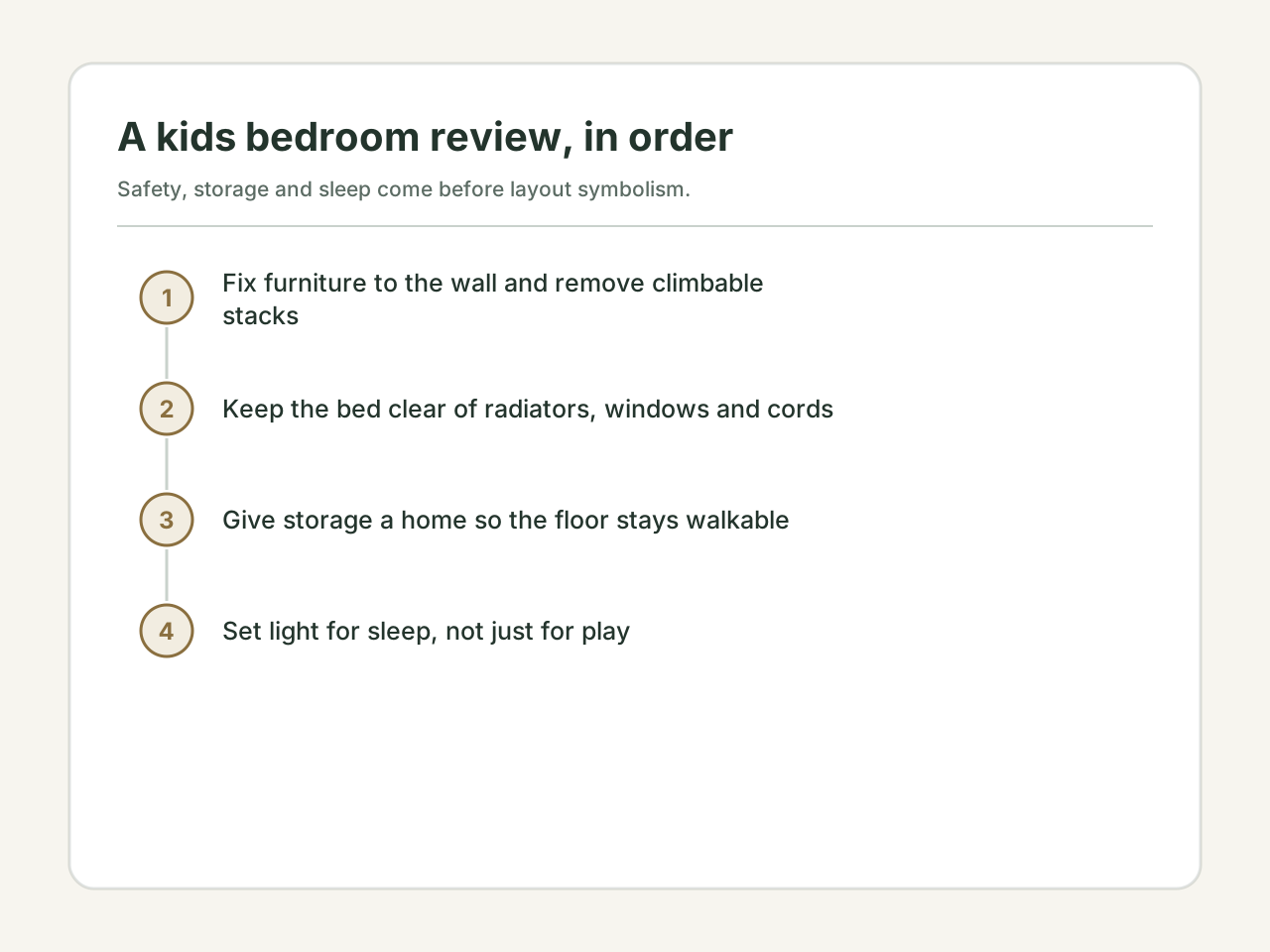
The classical feng shui texts do not discuss child safety, but it is the most important consideration in a child's room. Furniture should be anchored to the wall. Cords should be out of reach. Windows should have locks or restrictors. The bed should not be under a heavy ceiling fixture. These are not feng shui rules; they are basic safety, and they matter more than any colour or bagua placement.
The honest summary
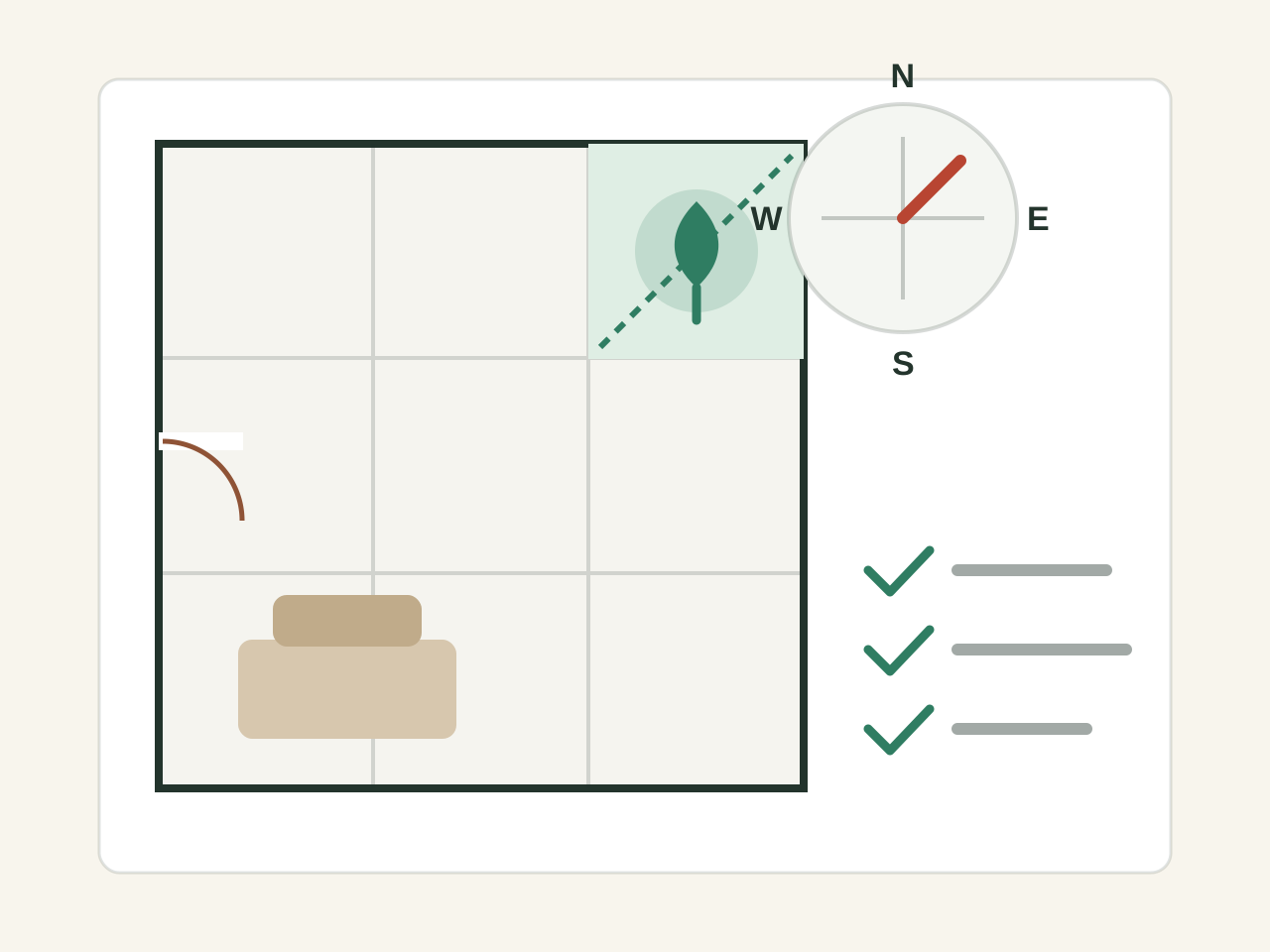
A child's room that is safe, zoned for sleep, study, and play, with a stable layout and age-appropriate colours, is good feng shui. The tradition does not predict a child's academic success or health, and you should not worry about compass directions or element balances. Focus on making the room a place where the child feels safe, can sleep well, and can concentrate. That is the whole of practical children's room feng shui.
Disclaimer: This content is for informational and cultural reference purposes only. It does not constitute professional medical, legal, financial, or psychological advice. Readers should exercise their own judgment and consult qualified professionals for specific concerns.