The sofa is the command position of the living room
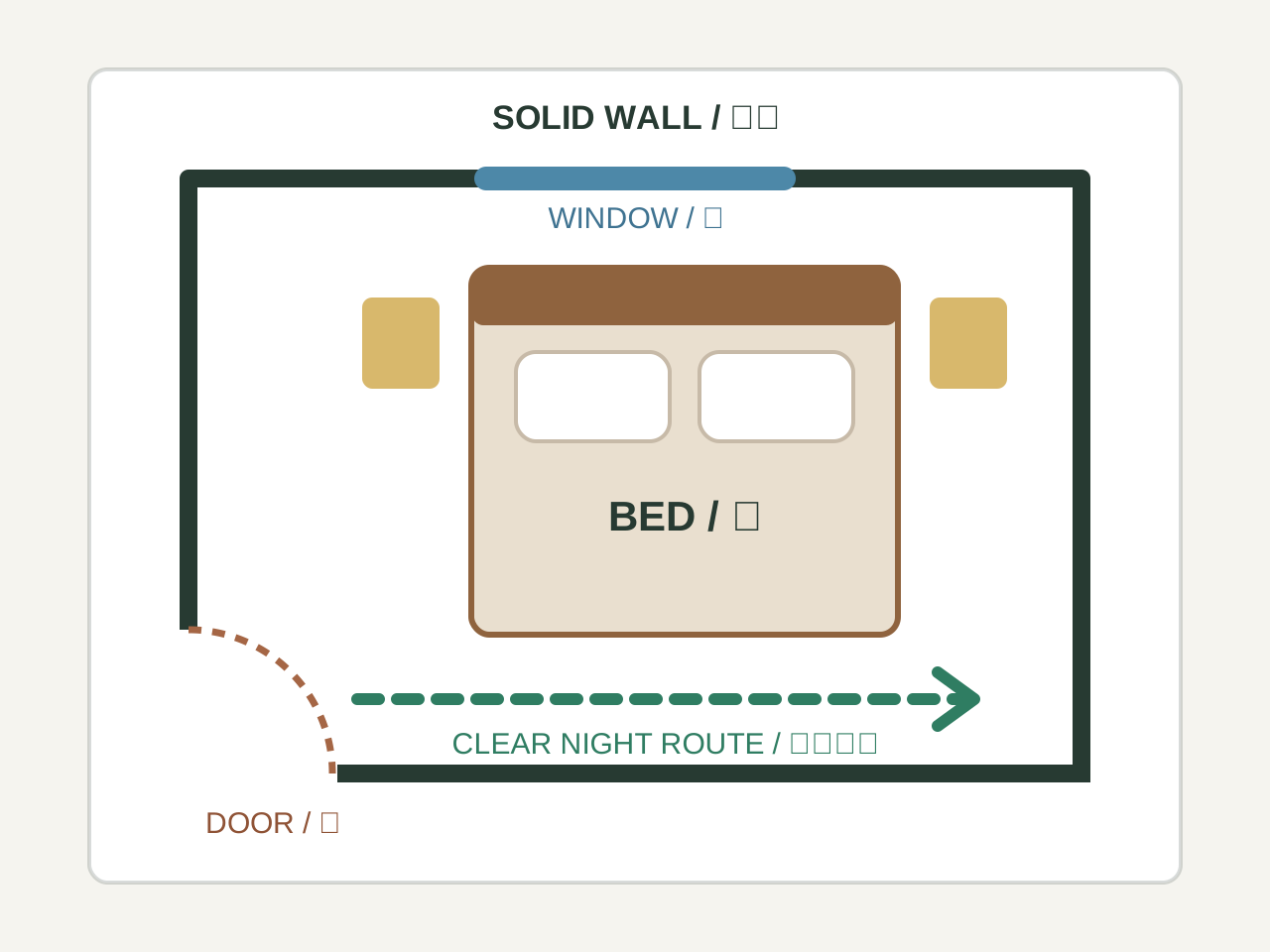
The sofa is the largest piece of furniture in most living rooms, and where it sits determines how the entire room feels. The feng shui principle is the same as for the bed: the command position. The person on the sofa should be able to see the door without being directly in line with it, and the sofa should have a solid wall behind it.
The practical version is simpler. You want a sofa placement where you can see who is entering the room, where you are not sitting with your back to the main traffic path, and where the sofa does not block the natural flow from the door into the seating area. Most sofa placement mistakes are variations on one of these three themes.
Three sofa placements that change how the room feels
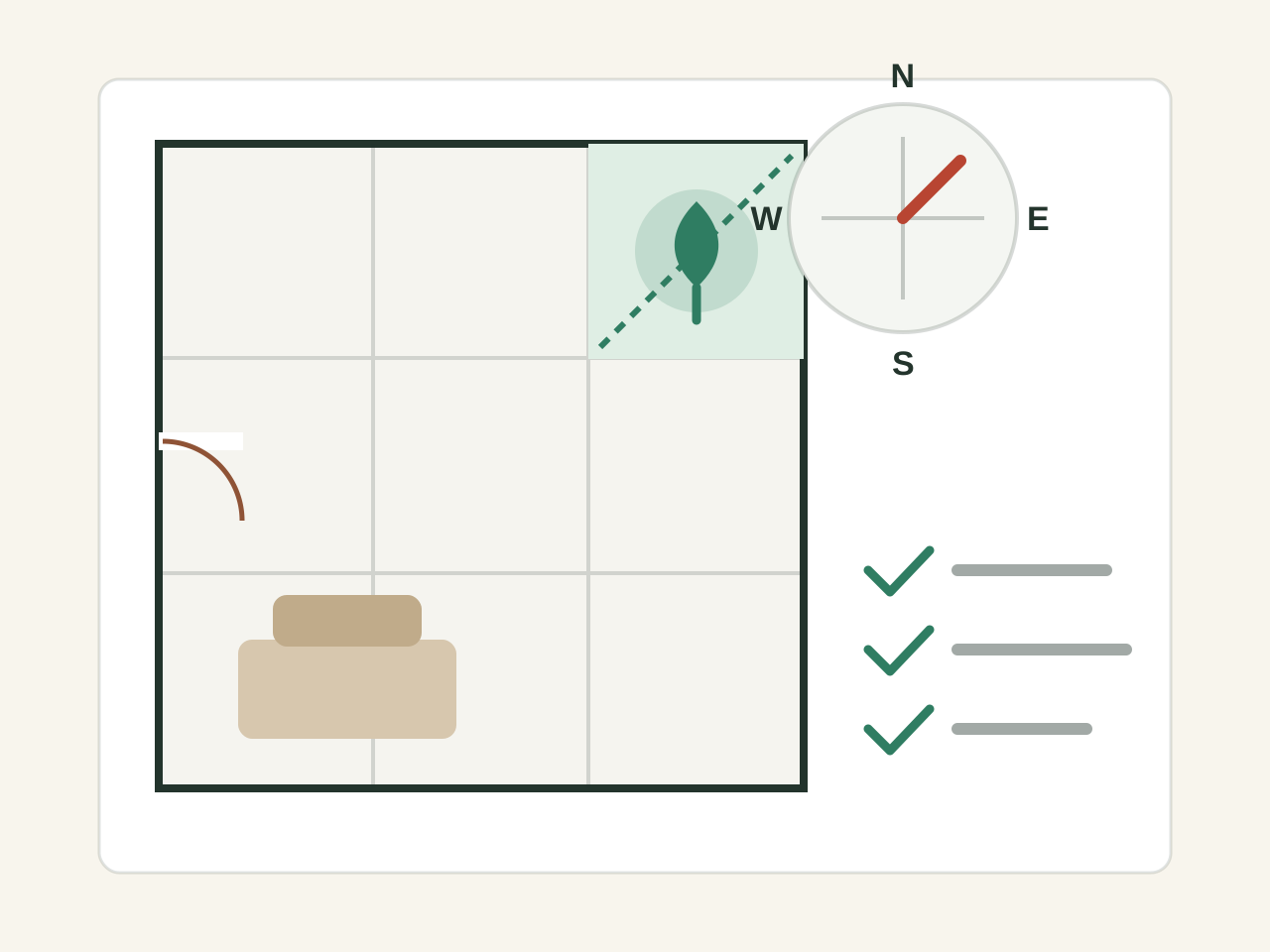
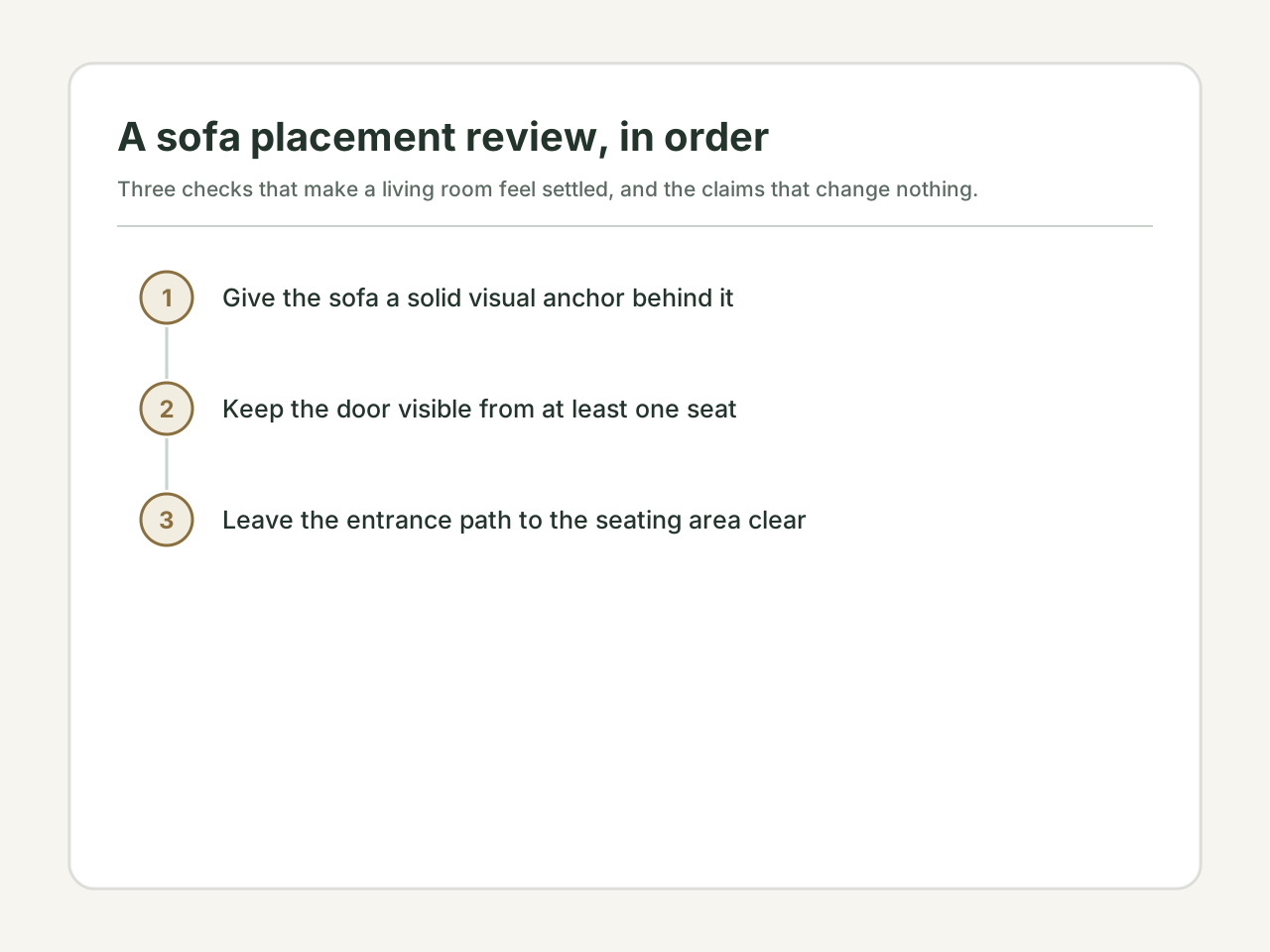
Ignore the bagua overlay and the compass. These are the rules that make a room feel right:
- Sofa against a solid wall, or at least a solid visual anchor. A sofa floating in the middle of a room with nothing behind it feels exposed. If the wall is not available, a console table behind the sofa creates a visual anchor.
- The door should be visible from at least one seat. The person sitting in the main seat of the sofa should be able to see the door without turning their head more than 45 degrees. If the door is directly behind the sofa, angle the sofa or add a mirror.
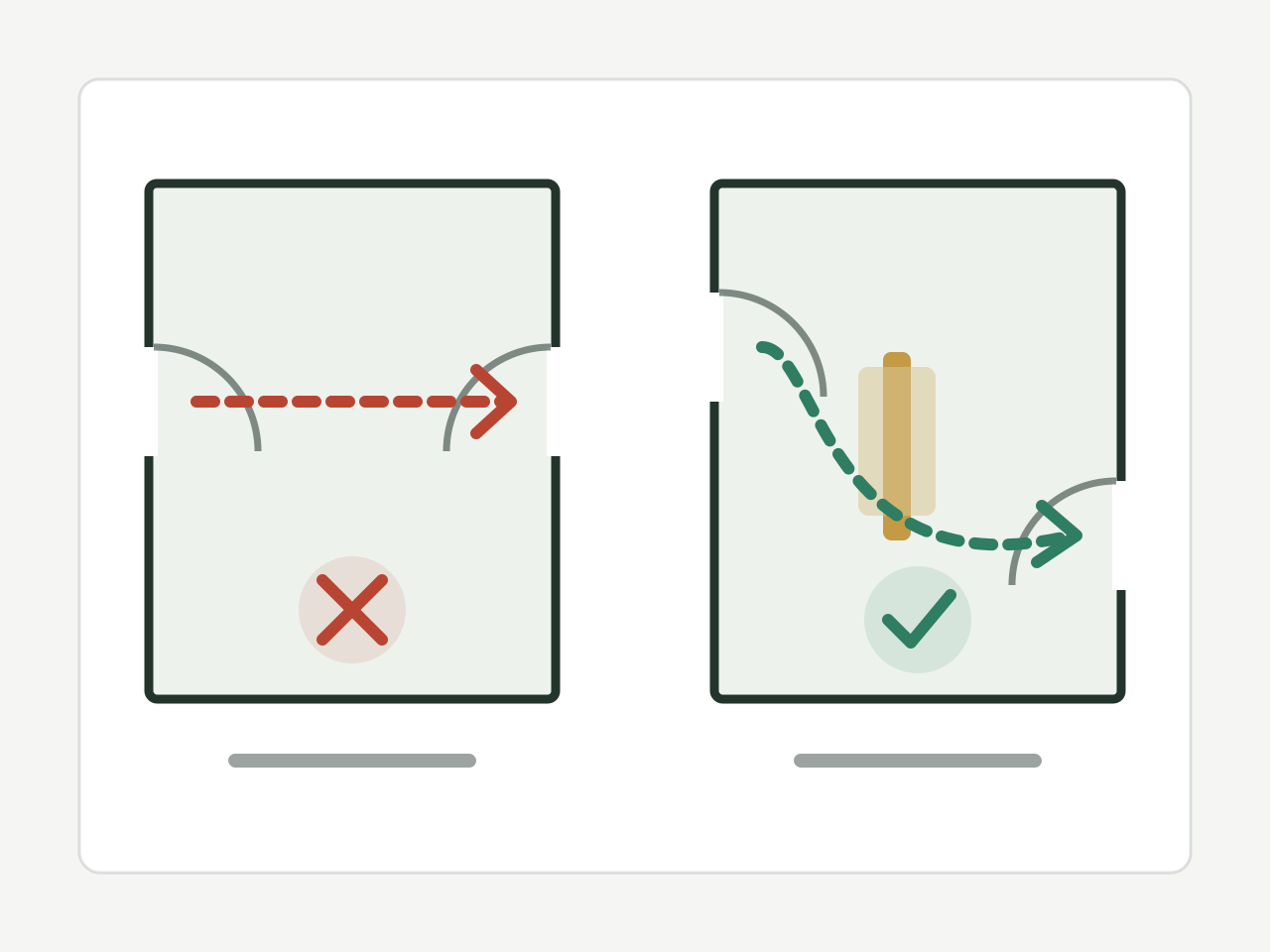
- The sofa should not block the entrance path. When you walk into the room, you should be able to reach the seating area without walking around the back of the sofa. A sofa that blocks the entrance makes the room feel unwelcoming.
A worked example: the L-shaped sofa in a small room
A common living room in a newer apartment: roughly 3.5 by 4 metres, with the door on one of the short walls and a window on the opposite wall. The owners bought an L-shaped sectional that fits the room but blocks the path from the door to the windows.
The fix: rotate the L-shaped sofa so the long side runs along the wall opposite the door, and the short side creates a partial divider between the entrance and the seating area. This puts the main seat in the command position, with the door visible over the shoulder, and the short side of the L acts as a natural boundary that defines the seating zone without blocking the path. If the sofa is too large for this arrangement, the sofa is too large for the room, and no amount of feng shui adjustment will fix it.
Sofa size, shape, and the things that actually affect comfort
The feng shui tradition does not care about sofa style, but it does care about proportion. A sofa that dominates the room leaves no space for energy to circulate. In practical terms, a sofa should occupy no more than 60% of the wall it sits against, and there should be at least 80 cm of walking space between the sofa and the coffee table, and between the coffee table and the TV unit or opposite wall. The shape matters less than the fit. An L-shaped sofa that fits the room is better than a straight sofa that does not, and vice versa.
Sofa colour, fabric, and compass claims that change nothing
The internet is full of sofa feng shui rules that do not hold up. The colour of the sofa does not affect your wealth. The fabric does not determine your relationship luck. A sofa facing the TV is not a feng shui disaster; it is a living room. The one thing worth paying attention to is whether the sofa makes the room feel settled and welcoming. If it does, the feng shui is fine. If it does not, move it, not because the compass says so, but because you will feel better when you do.
Disclaimer: This content is for informational and cultural reference purposes only. It does not constitute professional medical, legal, financial, or psychological advice. Readers should exercise their own judgment and consult qualified professionals for specific concerns.
Sources and review basis
Traditional references explain historical vocabulary and context. Official practical sources support only the observable safety, comfort, or environmental points noted in the article; they do not validate metaphysical claims.
Traditional reference
Huangdi Zhaijing (黄帝宅经)Wikisource digital text · Accessed 2026-07-14
Historical context for traditional residential orientation and spatial vocabulary. Modern recommendations are reviewed separately.