The honest version of the wealth corner
The wealth corner (财位) is the single most searched idea in home feng shui, and also the one most oversold. Stripped of the marketing, it is a symbolic focal point in a room that traditions associate with resources and growth. It is a place to direct care and attention, not a switch that turns on income. If you keep that framing, everything below is useful; if you expect it to pay your rent, no arrangement of plants will deliver.
Two ways people locate it, and why they disagree
Most arguments about the wealth corner come from the fact that different schools place it differently. The two you will actually meet are:
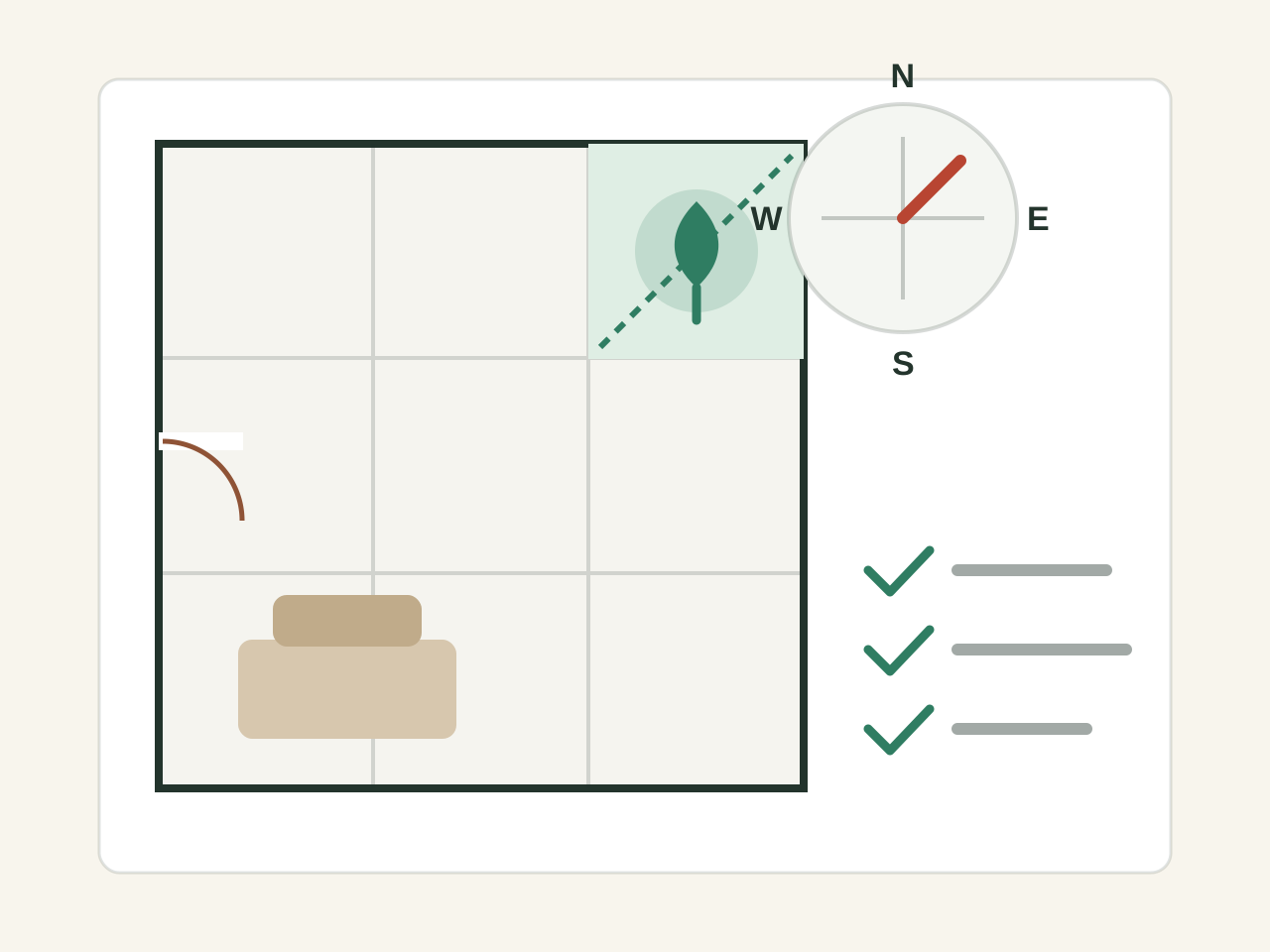
- The entrance method (Black Hat / BTB school). Stand in the doorway of a room facing in; the wealth area is the far diagonal corner, usually the far left. Simple, room-by-room, and the version most online guides use.
- The compass method (classical Form and Compass schools). Wealth is tied to specific directions, often the southeast of the Later Heaven Bagua, and in more advanced practice to the building's facing direction and time period. More rigorous, but it needs a real compass reading and disagrees with the entrance method as often as not.
Which method should you use?
If you only want a tidy, low-stakes ritual, the entrance method is fine and easy. If you care about doing it by the book, the compass method is more defensible but more work, and you should expect the two to point at different corners. When they conflict, neither is more true; they are different systems. Pick one, apply it consistently, and do not stack cures from both schools on top of each other.
| Method | How it finds the corner | Honest caveat |
|---|---|---|
| Entrance (BTB) | Far diagonal corner from the room door, usually far left | Easy but not classical; ignores direction and timing |
| Southeast Bagua | The southeast sector of the home or room | Common shorthand; a simplification of compass practice |
| Full compass (Xuan Kong) | Based on facing direction and 20-year period stars | Most rigorous; needs a luopan reading and training |
A worked example: the corner you were given is the bathroom
A renter applies the entrance method and finds the far-left corner of the living room is taken up by a doorway to the bathroom. The internet says a bathroom in the wealth corner drains money. Panic is the wrong response.
The practical read: the tradition objects to water draining away in a wealth area, so you treat the real issue. Keep the bathroom door closed, fix any actual leaks or damp, and shift the symbolic focus to a secondary spot, a clean, well-lit shelf in the room with a healthy plant and a few meaningful objects. You have honored the intent (care and attention to resources) without pretending you can move plumbing you do not own.
What to actually put there, and what to avoid
The useful part of a wealth corner is that it forces you to keep one spot clean, lit, and intentional. The contents matter less than the upkeep.
- Good: a healthy plant, good lighting, something that genuinely represents growth or goals to you, and clear, uncluttered space.
- Pointless: a dead plant, a dusty pile of coins, or a drawer of junk relabelled as a wealth corner. Neglect is the one thing every school agrees works against you.
- Avoid: treating purchased wealth objects as a substitute for managing money. The corner is a reminder, not a method.
Where this sits relative to real finances
We will say this plainly because the topic invites overclaiming: a wealth corner does not predict or produce income. What it can do is keep your attention on resources and reduce one corner of household clutter, which is a modest but real benefit. Treat it as informed tradition and a tidy habit, and keep your actual financial decisions where they belong, with budgeting, saving, and qualified advice.
Disclaimer: This content is for informational and cultural reference purposes only. It does not constitute professional medical, legal, financial, or psychological advice. Readers should exercise their own judgment and consult qualified professionals for specific concerns.
Sources and review basis
Traditional references explain historical vocabulary and context. Official practical sources support only the observable safety, comfort, or environmental points noted in the article; they do not validate metaphysical claims.
Traditional reference
Huangdi Zhaijing (黄帝宅经)Wikisource digital text · Accessed 2026-07-14
Historical context for traditional residential orientation and spatial vocabulary. Modern recommendations are reviewed separately.
Practical source
US EPA: MoldUnited States Environmental Protection Agency · Accessed 2026-07-14
Practical guidance for moisture control and mold prevention in bathrooms, homes, and renovation work.