Zodiac objects are personal symbols, not fortune devices
In Chinese tradition, people often choose feng shui objects — figurines, crystals, ornaments — based on their Chinese zodiac animal sign. The idea is that each zodiac sign has specific elemental associations and symbolic compatibilities, and certain objects are believed to enhance the positive qualities or mitigate the challenges of that sign.
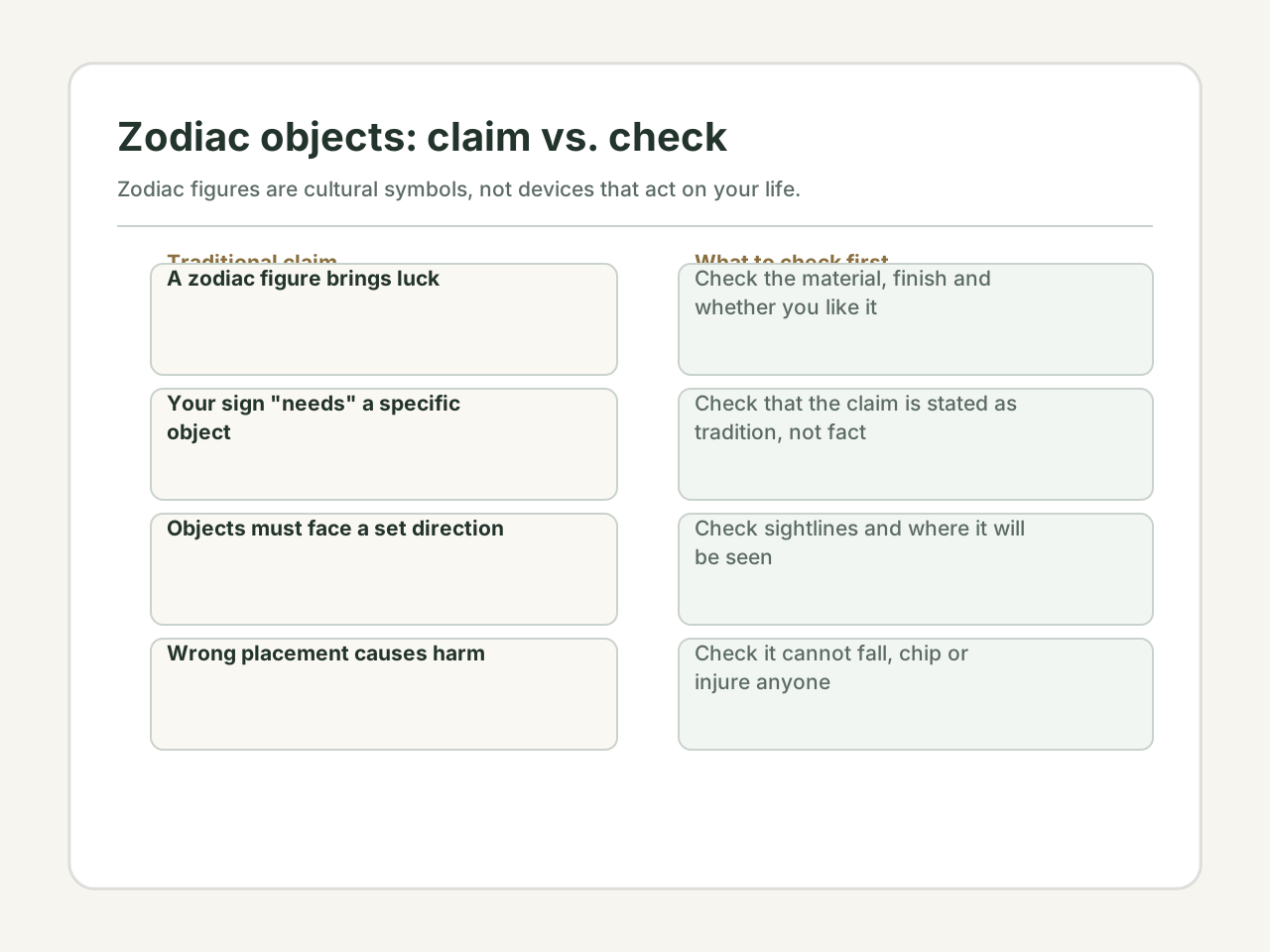
The honest view: zodiac feng shui objects are cultural symbols, not magical devices. A figurine of your compatible animal will not bring you money. A crystal associated with your element will not improve your health. These objects are meaningful as cultural artefacts and personal symbols. Their value is in the intention they represent and the aesthetic pleasure they bring — not in any supernatural power they supposedly possess.
The zodiac-element relationship
Each zodiac sign is associated with one of the five elements, which influences the traditional recommendations for suitable objects:
| Earthly Branch | Animal | Element | Compatible signs (六合/三合) | Traditionally recommended objects | Practical view |
|---|---|---|---|---|---|
| 子 | Rat (鼠) | Water | Ox (六合), Monkey & Dragon (三合) | Water features, black or blue items, metal objects, Ox or Monkey figurines | Water features can be calming in a space. Metal objects are durable and attractive. The value is aesthetic and personal, not supernatural |
| 丑 | Ox (牛) | Earth | Rat (六合), Rooster & Snake (三合) | Ceramic items, yellow or brown objects, crystals, Rat or Rooster figurines | Ceramics and crystals are beautiful decorative objects. Earth tones create a grounded, stable feeling in a room. This is interior design, not magic |
| 寅 | Tiger (虎) | Wood | Pig (六合), Horse & Dog (三合) | Wooden items, green plants, water features, Pig or Horse figurines | Plants are proven to improve air quality and mood. Wooden objects add warmth to a space. The benefits are practical, not mystical |
| 卯 | Rabbit (兔) | Wood | Dog (六合), Pig & Sheep (三合) | Wooden items, green plants, water features, Dog or Pig figurines | Same as Tiger — plants and wood are genuinely beneficial in a living space. Choose objects you enjoy looking at |
| 辰 | Dragon (龙) | Earth | Rooster (六合), Rat & Monkey (三合) | Ceramic items, crystals, yellow objects, Rooster or Rat figurines | Dragon figurines are culturally significant and aesthetically striking. They make good decorative pieces if you appreciate the symbolism |
| 巳 | Snake (蛇) | Fire | Monkey (六合), Rooster & Ox (三合) | Red items, candles, lights, wooden objects, Monkey or Rooster figurines | Candles and warm lighting create atmosphere. Red is a stimulating colour — use it in moderation. The objects should fit your decor, not clash with it |
| 午 | Horse (马) | Fire | Sheep (六合), Tiger & Dog (三合) | Red items, candles, lights, wooden objects, Sheep or Tiger figurines | Fire-element objects can add energy to a space. Be mindful that red is intense — use it as an accent, not a dominant colour, unless you genuinely love it |
| 未 | Sheep (羊) | Earth | Horse (六合), Rabbit & Pig (三合) | Ceramic items, crystals, yellow objects, Horse or Rabbit figurines | Earth-element objects create stability and warmth. Crystals are beautiful decorative items. Choose them because you like them, not because they supposedly bring luck |
| 申 | Monkey (猴) | Metal | Snake (六合), Rat & Dragon (三合) | Metal items, white or gold objects, ceramic items, Snake or Rat figurines | Metal decorative objects are elegant and durable. Gold and white are versatile colours in interior design. The aesthetic value is real |
| 酉 | Rooster (鸡) | Metal | Dragon (六合), Snake & Ox (三合) | Metal items, white or gold objects, ceramic items, Dragon or Snake figurines | Same as Monkey — metal objects add sophistication to a space. Choose pieces that match your personal style |
| 戌 | Dog (狗) | Earth | Rabbit (六合), Tiger & Horse (三合) | Ceramic items, crystals, yellow objects, Rabbit or Tiger figurines | Dog figurines are personal and sentimental for dog lovers. The emotional connection is what gives the object meaning, not any zodiac rule |
| 亥 | Pig (猪) | Water | Tiger (六合), Rabbit & Sheep (三合) | Water features, black or blue items, metal objects, Tiger or Rabbit figurines | Water features can be soothing. The sound of running water is genuinely relaxing. The benefit is real, but it comes from the sensory experience, not from zodiac alignment |
Three rules for choosing zodiac objects
Here is how to choose zodiac-related decorative objects practically:
- Choose objects you genuinely like, not objects you think you 'should' have. An object that you find ugly or meaningless will not improve your space — or your life — no matter how auspicious it is supposed to be. A figurine of your compatible zodiac animal that you dislike will just gather dust. Pick things that bring you joy when you look at them.
- One or two meaningful pieces are better than a collection of competing symbols. A cluttered shelf of zodiac objects, crystals, figurines, and charms creates visual noise, not positive energy. One well-chosen, well-placed object that you appreciate is far more effective than a dozen objects you collected out of obligation.
- The object should fit your space, not dominate it. A large dragon statue in a small apartment looks out of place, not auspicious. A water feature in a room with no natural light may create humidity problems. Choose objects that suit your actual living situation — the size of your rooms, your existing decor, your maintenance capacity.
A worked example: choosing a zodiac object
A woman born in the Year of the Rabbit wants to choose a feng shui object for her home office. According to tradition, Rabbits are wood element and compatible with Dogs (六合) and Pigs and Sheep (三合). Traditional recommendations: wooden items, green plants, water features, or Dog/Pig/Sheep figurines.
She considers her actual situation. Her home office is small, with limited natural light. A water feature would be impractical (no space, risk of spills). A large plant would struggle in low light. She does not particularly like Dog or Pig figurines — they don't match her decor style.
She decides on a small, well-crafted wooden pen holder in a warm brown tone. It is wood element (matching her Rabbit sign), practical (she uses it every day), beautiful (handcrafted, fits her minimalist desk), and genuinely meaningful to her. She chose it because she likes it, not because tradition told her to.
The point: the best zodiac object is one that you would choose even if you knew nothing about zodiac signs. The zodiac framework can be a starting point for thinking about what you like, but it should not overrule your personal taste and practical needs.
Zodiac objects are symbols you choose, not devices that act
Zodiac feng shui objects are cultural artefacts and personal symbols, not magical devices. They cannot bring you wealth, improve your health, improve your relationships, or change your luck. Their value is in the meaning you assign to them and the aesthetic pleasure they bring. A beautiful object that you love can genuinely improve your mood and your space — and that is a real benefit. But it is a benefit of good design and personal meaning, not of supernatural power. Choose objects you love, place them where they look good, and enjoy them for what they are.
Disclaimer: This content is for informational and cultural reference purposes only. It does not constitute professional medical, legal, financial, or psychological advice. Readers should exercise their own judgment and consult qualified professionals for specific concerns.
Sources and review basis
Traditional references explain historical vocabulary and context. Official practical sources support only the observable safety, comfort, or environmental points noted in the article; they do not validate metaphysical claims.
Traditional reference
Huangdi Zhaijing (黄帝宅经)Wikisource digital text · Accessed 2026-07-14
Historical context for traditional residential orientation and spatial vocabulary. Modern recommendations are reviewed separately.
Practical source
APA Dictionary of Psychology: Barnum effectAmerican Psychological Association · Accessed 2026-07-14
A psychology reference for why broad, favourable personality descriptions can feel personally accurate. It does not evaluate BaZi calculations themselves.