Chinese Astrology

Annual Flying Star Positions: Yearly Energy Map

This page explains Annual Flying Star Positions: Yearly Energy Map as a practical cultural reference, covering the core idea, common use cases, careful checks, and responsible limits so readers can compare traditional guidance with real conditions.

2026-03-14 · Updated 2026-06-08

B

Reviewed by BaZi Report Editorial Team

Our editorial team researches classical Chinese metaphysics and feng shui texts, fact-checks references against the original sources, and reviews every article before publication. We aim to keep traditional concepts clear and practical, and we stay transparent about what these readings can and cannot tell you.
Use this guide to understand Annual Flying Star Positions: Yearly Energy Map in context, compare several signals, and avoid treating any single traditional rule as a fixed promise.

Annual flying stars are an energy map, not a fortune-telling system

In Flying Star Feng Shui (玄空飞星), the nine stars shift their positions each year, moving through the nine sectors of the Lo Shu grid. Each star has a number (1 through 9) and a quality — some are considered auspicious (favourable), others inauspicious (challenging). The annual flying star chart is a map of where these energies are located in a given year, and it is used to make feng shui adjustments to homes and offices.

The honest view: the annual flying star positions are a traditional framework for thinking about spatial energy. They are not a scientific system. The stars are not physical objects. They are conceptual categories that feng shui practitioners use to describe the quality of energy in different sectors. The annual chart is useful because it gives you a systematic way to review your space each year — which sectors need attention, which areas might benefit from activation, and which areas might need calming. The value is in the systematic review, not in the stars themselves.

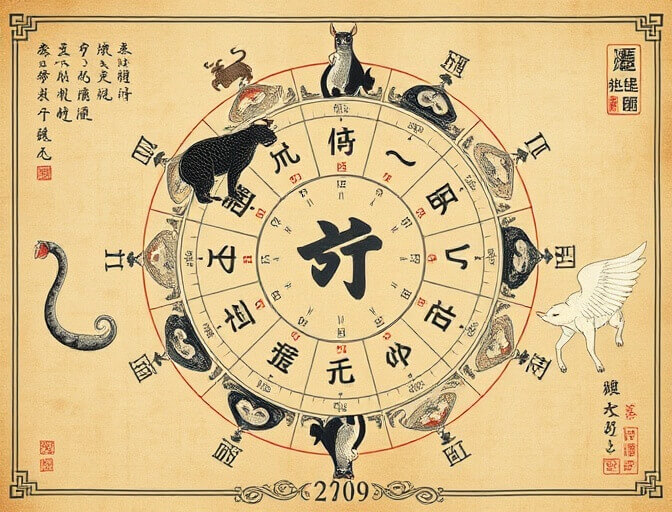
Annual Flying Star position map showing nine star locations in the eight sectors and center

The nine stars and their annual influence

Here is a summary of the nine flying stars and their general qualities:

StarNumberQualityTraditional meaningWhat it means in practice
White 1 (一白)1AuspiciousRelationships, romance, communication, wisdomA good sector for social activities, relationship work, and creative pursuits. Activate with water features or social gatherings
Black 2 (二黑)2InauspiciousIllness, obstacles, stagnationA sector to keep quiet and calm. Avoid renovations, loud activities, and clutter. Use metal elements to weaken the star's energy
Jade 3 (三碧)3InauspiciousConflict, arguments, legal disputesA sector where tension may arise. Avoid confrontational activities. Use red (fire element) to drain the star's energy
Green 4 (四绿)4AuspiciousEducation, creativity, romance, travelA good sector for study, creative work, and relationship building. Activate with plants, books, or creative activities
Yellow 5 (五黄)5Very inauspiciousMisfortune, obstacles, serious problemsThe most challenging star. Keep this sector quiet and undisturbed. Avoid renovations, loud activities, and major changes. Use metal to weaken
White 6 (六白)6AuspiciousAuthority, career, power, leadershipA good sector for career development, authority, and leadership. Activate with metal objects or professional activities
Red 7 (七赤)7InauspiciousRobbery, deception, injury, gossipA sector to be cautious with. Secure valuables. Be careful with agreements. Use water (black/blue) to drain the star's energy
White 8 (八白)8Very auspiciousWealth, prosperity, successThe most auspicious star in the current period. A good sector for financial activities, career growth, and major projects. Activate with activity and use
Purple 9 (九紫)9AuspiciousFuture prosperity, celebration, happinessA good sector for celebrations, social events, and future planning. Activate with bright lights, social gatherings, and joyful activities

Three rules for using annual flying stars

Here is how to use the annual flying star chart practically:

  • The annual chart is a supplement, not a replacement. The annual flying star chart is applied on top of the permanent flying star chart of your home (based on its facing direction and construction period). The permanent chart is more important. The annual chart adds yearly nuance. Use the annual chart to make temporary adjustments, not permanent changes.
  • The practical advice is mostly common sense. Keep the 5 Yellow and 2 Black sectors quiet and undisturbed. This is good advice for any room — quiet spaces support rest and focus. Activate the 8 White and 9 Purple sectors with activity and use. This is also good advice — used spaces feel alive and welcoming. The flying star system gives you a systematic way to decide which rooms to use for what purpose.
  • Don't over-invest in remedies. Traditional feng shui recommends specific cures for each star — metal objects for the 2 Black and 5 Yellow, water for the 7 Red, fire for the 3 Jade, and so on. These cures can be expensive and are not scientifically verified. Focus on the practical advice — keep challenging sectors quiet, activate auspicious sectors with use — and skip the expensive remedies.

A worked example: adjusting a home for the annual stars

A family reviews their home using the annual flying star chart. They find that the 5 Yellow (the most challenging star) is in their living room this year. The traditional advice: keep this sector quiet, avoid renovations, and place metal objects to weaken the star.

They take the practical approach. They do not renovate the living room this year. They keep the space clean and uncluttered. They reduce the volume of the TV and avoid hosting loud gatherings in that room. They do not buy metal cures because they are not convinced of their effectiveness. Instead, they focus on using the room calmly and quietly.

They also find that the 8 White (the most auspicious star) is in their home office. They start working from the home office more often. They move important financial documents and work projects into that room. They use the room actively and keep it organised and pleasant.

The result: their living room is calmer and more relaxing this year. Their home office is more productive. Whether or not the flying stars are real, the adjustments they made improved their home. The flying star chart gave them a framework for making intentional decisions about how to use their space.

The honest limit

Annual flying star positions are a traditional feng shui framework for understanding yearly spatial energy patterns. They are not a scientific system. They cannot predict what will happen in your home or life. The practical advice associated with the flying stars — keep certain areas quiet, activate others with use — is largely common sense about how to use space effectively. The best use of the annual flying star chart is as a framework for an annual review of your home — a systematic way to check each room and make intentional decisions about how to use your space.

Disclaimer: This content is for informational and cultural reference purposes only. It does not constitute professional medical, legal, financial, or psychological advice. Readers should exercise their own judgment and consult qualified professionals for specific concerns.

Keep reading

Related articles

Content Note

This article is based on publicly available materials in traditional Chinese metaphysics and feng shui. It is intended as cultural reference and background knowledge only. Metaphysical predictions and feng shui suggestions are not substitutes for professional medical, legal, financial, or psychological advice. We encourage readers to apply their own judgment when interpreting the content. Learn more about our content guidelines