What actually counts as a missing corner
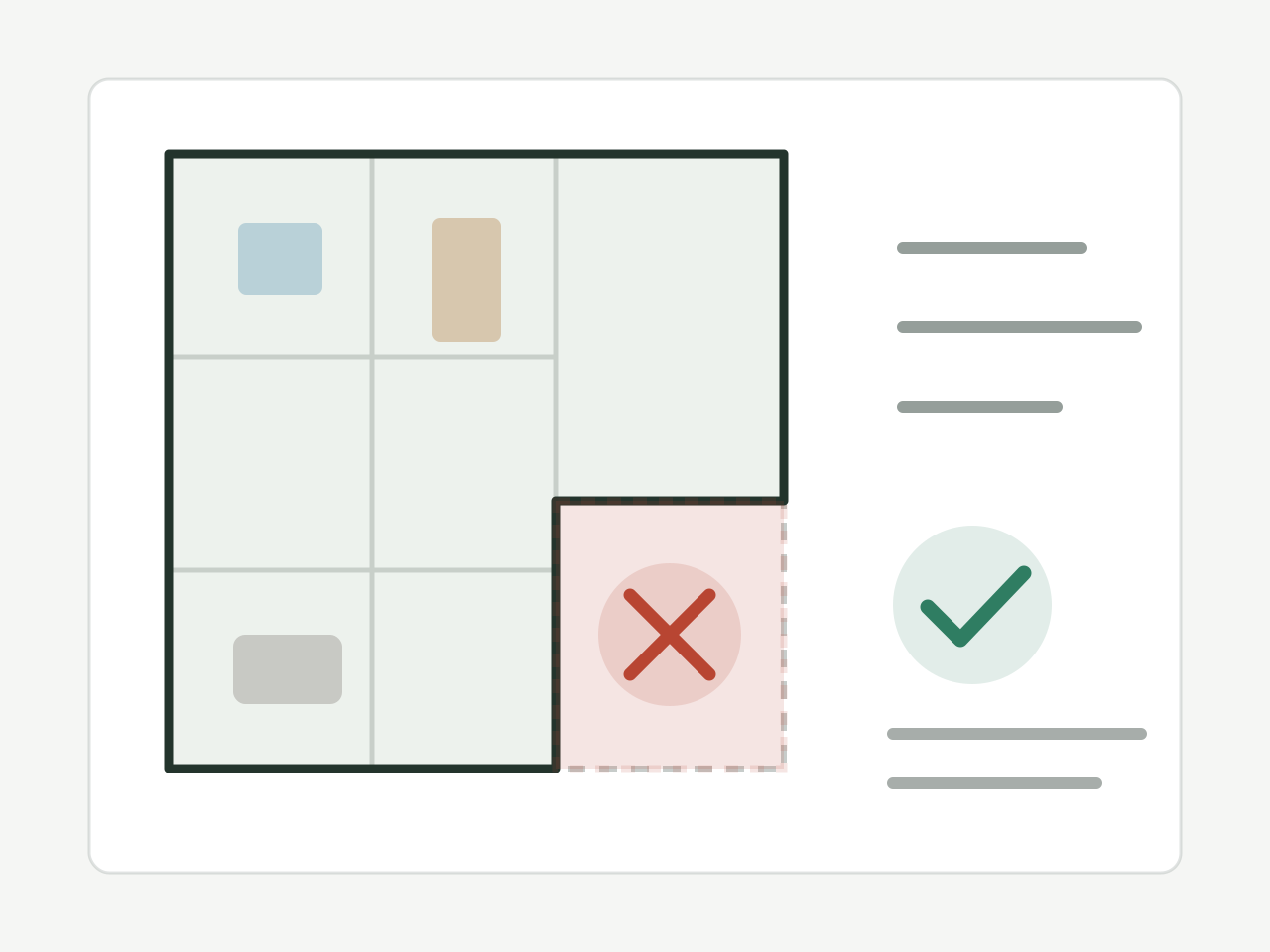
A missing corner is when a home's footprint is not a clean rectangle and one section of the expected shape is absent, usually because of an L-shape or a recessed entry. The detail most guides skip is the threshold: a common rule of thumb is that an indentation deeper than about one third of that wall's length reads as a missing corner, while a shallower notch is just a recess and a small bump-out is an extension (often considered a bonus, not a flaw). Measure before you worry; many rooms people fret over are recesses, not missing corners.
Which corner, and why the direction matters
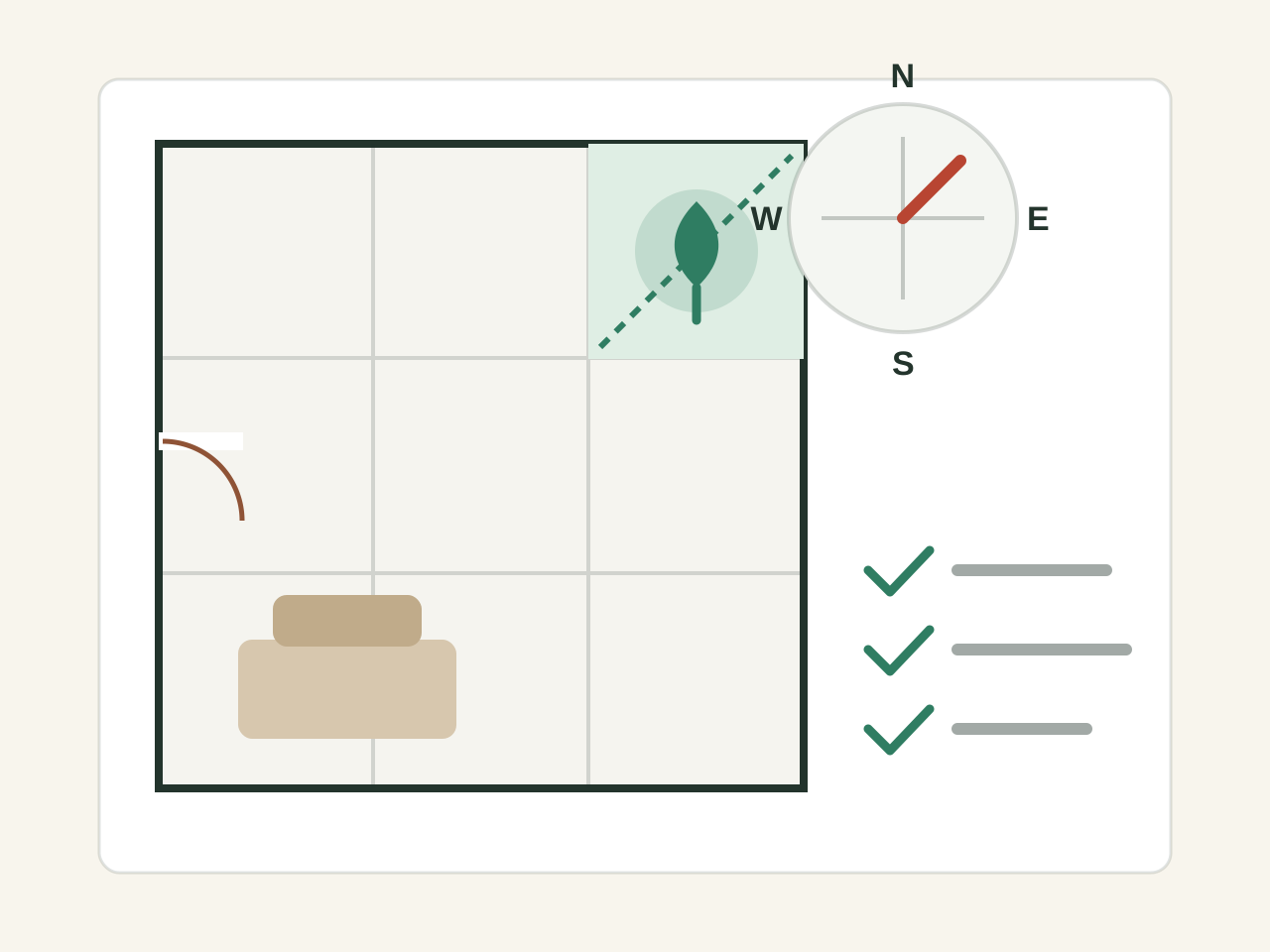
Feng shui reads the location through the Bagua, the eight-direction map of life areas. The point is not superstition for its own sake; it tells you which part of the home feels under-supported so you can decide if it is worth addressing.
| Direction | Traditional life area | Plain reading if it is missing |
|---|---|---|
| Southeast | Wealth and resources | A bit of the home's resource focus is absent |
| Southwest | Relationships and marriage | The partnership area of the layout is incomplete |
| Northeast | Knowledge and study | The quiet, learning side is under-formed |
| Northwest | Helpful people and mentors | The support and travel corner is missing |
A worked example: the missing corner is the open entry porch
An L-shaped home is missing its southwest corner because that is where the recessed front porch sits. The relationship area, by the Bagua, is technically absent. Before reaching for mirrors, look at the real space.
Practically, the porch is just under-defined outdoor space. Completing the corner can be literal and useful: a planter, a bench, and a light that visually square off the missing rectangle outdoors; or, indoors, anchor the nearest interior corner with good lighting, a healthy plant, and a pair of objects (pairs are the traditional cue for the relationship area). You have addressed the symbolism and made a neglected corner pleasant to use, which is the part that actually changes daily life.
Cures, indoor and outdoor
The aim of every cure here is the same: make the area read as present and cared for rather than absent. Lighter is better.
- Outdoors (best when the corner is truly outside the walls): a tree, planter, light, or paving that completes the missing rectangle on the ground.
- Indoors: lighting, a mirror on the inner wall to suggest depth, a healthy plant, or artwork that anchors the nearest corner.
- Symbolic but optional: objects matched to the area (pairs for the relationship corner, upward greenery for the wealth corner). Treat these as reminders, not fixes.
- Do not over-cure: one or two intentional touches beat a corner crammed with crystals and mirrors, which just reads as clutter.
Start with the real room, not the chart
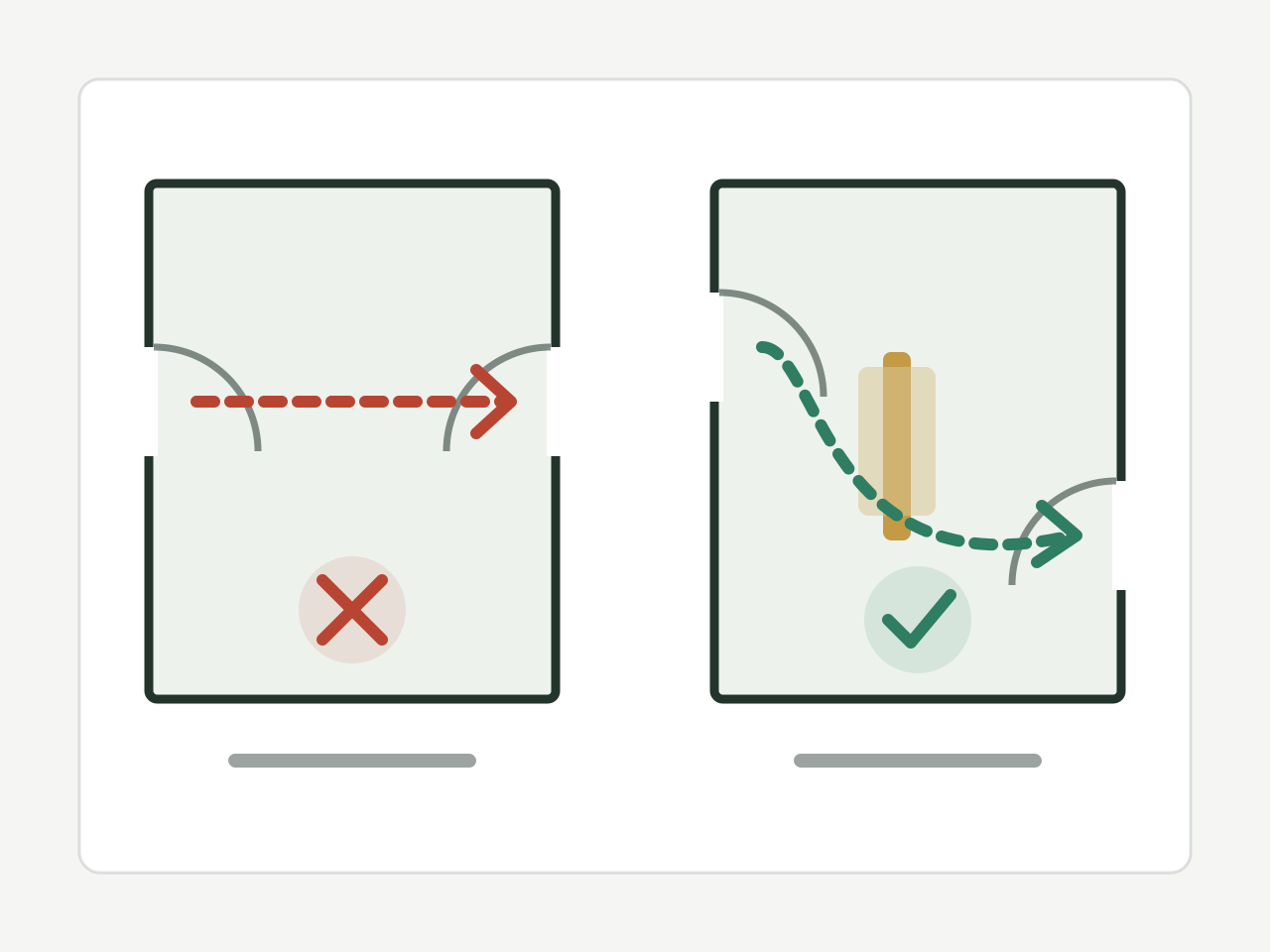
Before any symbolic cure, check whether the corner has an ordinary problem: poor light, dead storage, an awkward traffic path, or damp. Fixing the practical issue usually does most of the work, and a corner that is bright, used, and tidy already reads as complete. None of this predicts outcomes in the matching life area; it keeps the home balanced and pleasant, which is a fair goal on its own.
Disclaimer: This content is for informational and cultural reference purposes only. It does not constitute professional medical, legal, financial, or psychological advice. Readers should exercise their own judgment and consult qualified professionals for specific concerns.
Sources and review basis
Traditional references explain historical vocabulary and context. Official practical sources support only the observable safety, comfort, or environmental points noted in the article; they do not validate metaphysical claims.
Traditional reference
Huangdi Zhaijing (黄帝宅经)Wikisource digital text · Accessed 2026-07-14
Historical context for traditional residential orientation and spatial vocabulary. Modern recommendations are reviewed separately.
Practical source
US EPA: Indoor Air QualityUnited States Environmental Protection Agency · Accessed 2026-07-14
Practical background for ventilation, pollutants, combustion sources, and indoor air concerns.