Feng Shui

Energy Activation Techniques: Boosting Positive Chi

This page explains Energy Activation Techniques: Boosting Positive Chi as a practical cultural reference, covering the core idea, common use cases, careful checks, and responsible limits so readers can compare traditional guidance with real conditions.

2026-03-24 · Updated 2026-06-07

B

Reviewed by BaZi Report Editorial Team

Our editorial team researches classical Chinese metaphysics and feng shui texts, fact-checks references against the original sources, and reviews every article before publication. We aim to keep traditional concepts clear and practical, and we stay transparent about what these readings can and cannot tell you.
Use this guide to understand Energy Activation Techniques: Boosting Positive Chi in context, compare several signals, and avoid treating any single traditional rule as a fixed promise.

Energy activation is about making a space feel alive

'Energy activation' in feng shui is the art of making a space feel vibrant rather than stagnant. The classical idea is that qi (气) can become stuck, slow, or depleted, and certain techniques can 'activate' it — get it moving again. The practical version: some rooms feel dead. You walk in and the air feels still, the light is flat, and you do not want to stay. Energy activation is the process of fixing that.

The techniques below are not rituals. They are environmental adjustments — light, sound, movement, colour, and life — that make a room feel inhabited and awake. None of them summon cosmic energy. They change how the room feels to the people in it.

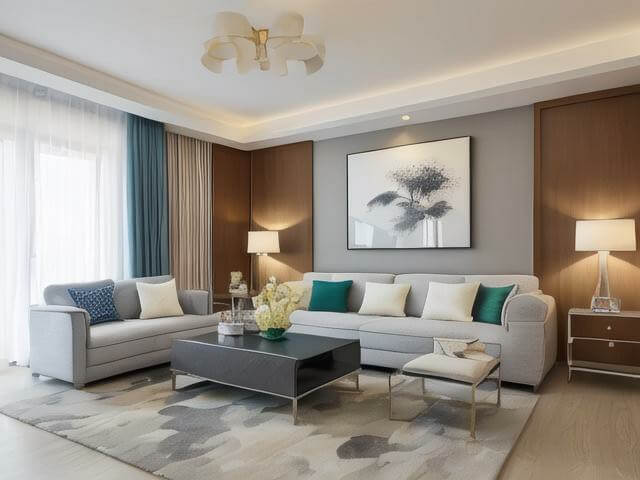
Energy activation feng shui reference showing light movement and purpose for revitalizing stagnant home areas

The five tools of energy activation, and when to use each

Different rooms need different kinds of activation. A dark hallway needs light; a sterile office needs warmth; a cluttered corner needs clearing. Here is what to reach for:

ToolWhat it doesBest forHow to apply
LightThe most fundamental activator. Light is yang energy — active, warming, awakening.Dark rooms, north-facing rooms, basements, hallways with no windowsUse layered lighting: ambient (ceiling), task (desk lamp, reading light), and accent (picture light, shelf light). One overhead light makes a room feel flat; three light sources at different heights make it feel alive.
SoundSound breaks silence, which is the auditory equivalent of stagnant air. It signals that a space is occupied and alive.Empty-feeling rooms, home offices, rooms that feel 'too quiet'A small fountain, wind chimes (outside), or a speaker playing low background music. The sound should be barely noticeable — if you can name the song, it is too loud.
MovementMoving air and moving objects are the most literal form of energy activation. Stillness is stagnation.Stuffy rooms, rooms with no windows that open, rooms that feel 'heavy'A ceiling fan on low, an open window (even for 10 minutes a day), a curtain that moves in the breeze. Movement does not need to be dramatic — a mobile or a hanging decoration that shifts slightly is enough to break the stillness.
ColourColour is visual energy. A room that is all beige and grey has no visual activation.Neutral, 'safe' rooms that feel boring or uninspiredOne bold element — a coloured cushion, a rug, a piece of art, a painted accent wall. You do not need to repaint the whole room. One strong colour in a neutral room is more activating than a room that is all colour.
LifeLiving things — plants, flowers, a pet — are the strongest activators because they are literally alive. They grow, change, and respond to the environment.Any room that feels sterile or impersonalA healthy plant, fresh flowers, a bowl of fruit. The key word is 'healthy' — a dying plant is a deactivator. One thriving plant is worth more than five struggling ones.

When activation is not the answer: clearing before activating

The most common mistake in energy activation is trying to activate a space that needs clearing first. Adding light, sound, or plants to a cluttered, dirty, or neglected room is like putting perfume on without showering — it does not help. Before you activate, do this:

  • Clear visible clutter. Surfaces should be 70% empty — not minimalist, but not covered. A desk with one notebook, one lamp, and one plant is activated. A desk with twenty items is overwhelmed.
  • Clean the room. Dust, vacuum, open the windows. This is not feng shui esoterica — it is the most basic energy activation there is. A clean room already feels 50% more alive than a dirty one.
  • Remove anything broken. A broken clock, a chair with a missing leg, a lamp that flickers — these are deactivators. They signal neglect and make the whole room feel broken by association.
  • Open the windows for 10 minutes, even in winter. This is the simplest energy activation technique in feng shui, and it costs nothing. Stale air is stagnant qi. Fresh air is activated qi. The tradition uses the same word (气) for both 'energy' and 'air' for a reason.

A worked example: the flat that felt like a waiting room

A single professional lived in a one-bedroom flat that was clean and tidy but felt 'dead'. The walls were white, the furniture was beige, the lighting was one overhead fixture in each room, and there were no plants, no art, and no personal items on display. The flat looked like an Airbnb before the guests arrive — functional but impersonal.

The feng shui diagnosis: the flat had no activation. It was clean (good) but sterile (bad). The energy was neutral, which in practice means the space did not feel like anyone lived there.

The fix, applied over one weekend: he added a floor lamp and a desk lamp in the living room (layered light), a large green plant in the corner (life), a colourful rug under the coffee table (colour), and two framed prints on the wall (personality). In the bedroom, he added a small tabletop fountain (sound), a warm-toned bedside lamp (light), and a throw blanket in a deep blue (colour).

The result: the flat went from 'I sleep here' to 'I live here'. The changes cost under £300 and took an afternoon. The biggest difference was the layered lighting — the flat went from feeling like a hospital corridor to feeling like a home. Guests started commenting on how comfortable the flat felt, which had never happened before.

The honest limit

Energy activation techniques make a space feel better — brighter, warmer, more alive, more personal. They are interior design with a feng shui vocabulary. They do not attract wealth, repel bad luck, or align you with cosmic forces. A room that feels good to be in is a genuine achievement, and the techniques in this article help you achieve it. But the effect is on your mood, your comfort, and your willingness to spend time in the space — not on the invisible forces that supposedly govern your destiny. The best test of an activated space is simple: do you want to be in it? If the answer is yes, the activation worked.

Disclaimer: This content is for informational and cultural reference purposes only. It does not constitute professional medical, legal, financial, or psychological advice. Readers should exercise their own judgment and consult qualified professionals for specific concerns.

Keep reading

Related articles

Content Note

This article is based on publicly available materials in traditional Chinese metaphysics and feng shui. It is intended as cultural reference and background knowledge only. Metaphysical predictions and feng shui suggestions are not substitutes for professional medical, legal, financial, or psychological advice. We encourage readers to apply their own judgment when interpreting the content. Learn more about our content guidelines