Five Elements

Five Elements Diet: Eating by Element

This page explains Five Elements Diet: Eating by Element as a practical cultural reference, covering the core idea, common use cases, careful checks, and responsible limits so readers can compare traditional guidance with real conditions.

2026-03-02 · Updated 2026-06-07

B

Reviewed by BaZi Report Editorial Team

Our editorial team researches classical Chinese metaphysics and feng shui texts, fact-checks references against the original sources, and reviews every article before publication. We aim to keep traditional concepts clear and practical, and we stay transparent about what these readings can and cannot tell you.
Use this guide to understand Five Elements Diet: Eating by Element in context, compare several signals, and avoid treating any single traditional rule as a fixed promise.

Five elements diet is about food variety, not magical nutrition

The five elements diet is based on the idea that foods correspond to the five elements — Wood, Fire, Earth, Metal, and Water — and that eating a balance of foods from all five elements supports health. Each element is associated with a colour, a taste, a season, and a set of organs. The diet is not about eating specific foods for magical healing. It is about eating a varied diet that covers all nutritional bases.

The honest view: the five elements diet is a framework for thinking about food variety. It is not a medical treatment. It does not cure diseases. It is a traditional way of organising foods into categories that encourages you to eat a diverse range of foods. The health benefits come from the variety, not from the element associations. Eating foods from all five 'elements' is essentially eating a balanced diet with different colours, tastes, and nutrients.

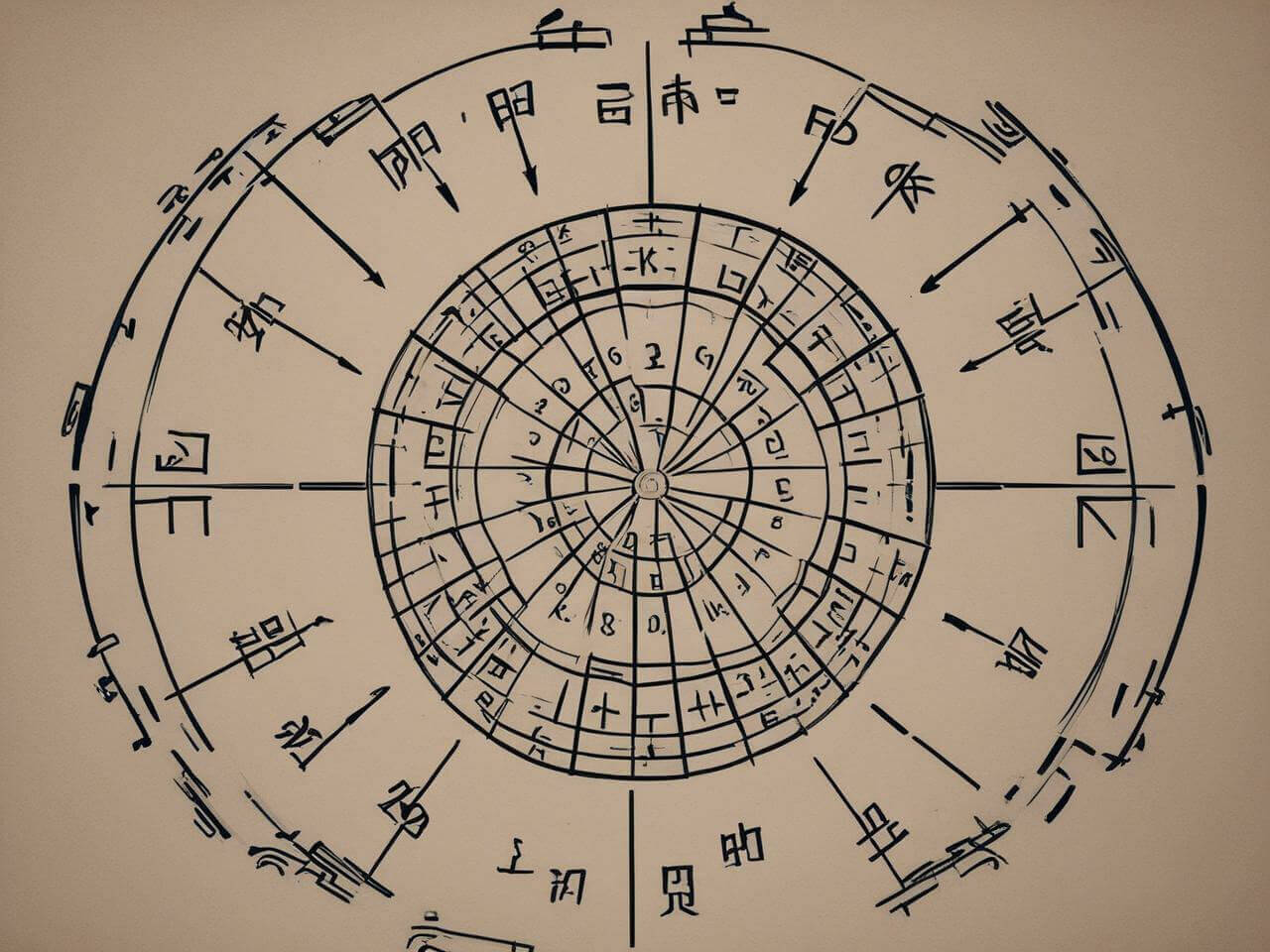
Five elements diet reference showing Wood Fire Earth Metal Water food correspondences and flavors

Foods by element

Here is how foods are traditionally categorised by element:

ElementColourTasteAssociated organsExample foodsWhat it provides nutritionally
WoodGreenSourLiver, gallbladderLeafy greens, cucumber, celery, green tea, lemon, lime, vinegarVitamins A, C, K, folate, fibre, antioxidants. Green vegetables are nutrient-dense and support liver function
FireRedBitterHeart, small intestineTomatoes, red peppers, strawberries, watermelon, bitter melon, coffee, dark chocolateLycopene, vitamin C, antioxidants. Red foods are often rich in compounds that support heart health
EarthYellow/OrangeSweetSpleen, stomachSweet potato, pumpkin, corn, millet, carrot, honey, dates, squashBeta-carotene, vitamin A, complex carbohydrates, fibre. Yellow/orange foods support digestion and immune function
MetalWhitePungentLungs, large intestineRice, tofu, white beans, cauliflower, garlic, onion, ginger, radishProtein, allicin (in garlic), fibre. White foods often support immune function and respiratory health
WaterBlack/Dark blueSaltyKidneys, bladderBlack beans, seaweed, black sesame, mushrooms, miso, soy sauce, fish, shellfishOmega-3 fatty acids, iodine, minerals, protein. Dark foods are often rich in minerals and support kidney function

Three practical rules for five elements eating

Here is how to use the five elements framework in everyday eating:

  • Eat all five colours every day. This is the simplest rule. If your plate has green (Wood), red (Fire), yellow/orange (Earth), white (Metal), and black/dark (Water) foods, you are eating a nutritionally diverse meal. This is essentially the same advice as 'eat the rainbow' in modern nutrition.
  • Adjust by season. In spring (Wood season), eat more green foods. In summer (Fire season), eat more red foods and lighter meals. In late summer (Earth season), eat more yellow and grounding foods. In autumn (Metal season), eat more white and pungent foods. In winter (Water season), eat more dark and warming foods. This aligns your diet with what is seasonally available and what your body naturally craves in each season.
  • Balance tastes. The five tastes — sour, bitter, sweet, pungent, salty — should all appear in your diet over the course of a day or week. If you eat mostly sweet and salty foods (the most common modern diet pattern), you are missing sour, bitter, and pungent tastes. Adding these missing tastes naturally diversifies your food choices.

A worked example: planning a five-element meal

A man wants to cook a dinner that covers all five elements. He plans the meal:

Wood (green, sour): Stir-fried bok choy with a squeeze of lemon. Fire (red, bitter): Roasted red peppers with a sprinkle of chilli. Earth (yellow, sweet): Steamed sweet potato wedges. Metal (white, pungent): Garlic and ginger stir-fried tofu. Water (black, salty): Miso soup with seaweed.

The meal is nutritionally balanced: it has protein (tofu), vegetables (bok choy, peppers, sweet potato), healthy seasonings (garlic, ginger, miso), and a variety of colours and textures. It is also a satisfying and enjoyable meal — not because of the element associations, but because it is a well-composed plate of food.

The point: the five elements framework is a useful tool for thinking about food variety. It is not a medical system. The health benefits come from eating a diverse range of foods, not from the magical properties of the elements. Use the framework to diversify your diet. The actual nutrition comes from the food, not from the theory.

The honest limit

The five elements diet is a traditional framework for organising foods into categories. It is not a medical treatment. It does not cure diseases. The health benefits come from eating a varied diet, not from the element associations. Use the framework to diversify your food choices. If you have a medical condition, consult a healthcare professional, not a five elements chart. Food is medicine in the sense that a good diet supports health. It is not medicine in the sense that it replaces medical treatment.

Common misunderstandings

A common mistake is to turn Five Elements Diet: Eating by Element into a single yes-or-no rule. Traditional material is usually conditional: it depends on timing, layout, personal context, and the school of interpretation being used.

Another mistake is to ignore scale. A small symbolic adjustment cannot solve a structural problem, a relationship problem, or a professional matter by itself. It can only support clearer attention and better habits.

When different sources disagree, record the disagreement instead of forcing certainty. That makes the page more useful for comparison and keeps the interpretation honest.

How to continue learning

To continue learning, compare Five Elements Diet: Eating by Element with related articles, topic hubs, and course lessons on this site. Looking at several connected pages helps separate repeated principles from one-off claims.

Notice which ideas appear across different contexts: cleanliness, proportion, timing, safety, emotional clarity, and respect for real constraints. These repeated ideas are usually more reliable than dramatic claims.

Return to the page after observing the actual situation for a while. The best use of traditional knowledge is iterative: read, observe, adjust carefully, and review.

Disclaimer: This content is for informational and cultural reference purposes only. It does not constitute professional medical, legal, financial, or psychological advice. Readers should exercise their own judgment and consult qualified professionals for specific concerns.

Keep reading

Related articles

Content Note

This article is based on publicly available materials in traditional Chinese metaphysics and feng shui. It is intended as cultural reference and background knowledge only. Metaphysical predictions and feng shui suggestions are not substitutes for professional medical, legal, financial, or psychological advice. We encourage readers to apply their own judgment when interpreting the content. Learn more about our content guidelines