The front door sets the first three seconds of home
Feng shui calls the front door the mouth of the home, the place where energy and people enter. Translated, it is the first three seconds of arriving home, and the switch from the outside world to your own space. Most front-door mistakes are really about whether that arrival feels clear, welcoming, and calm, or cramped, dark, and chaotic. Fix the feeling and you have fixed most of the feng shui.
The mistakes that genuinely matter
These deserve attention because they affect daily life, not just the chart:
- A cluttered or dark entry. A pile of shoes, a jammed coat rack, and dim light are the most common real problems. Clear the floor, add warm light, give yourself a surface for keys.
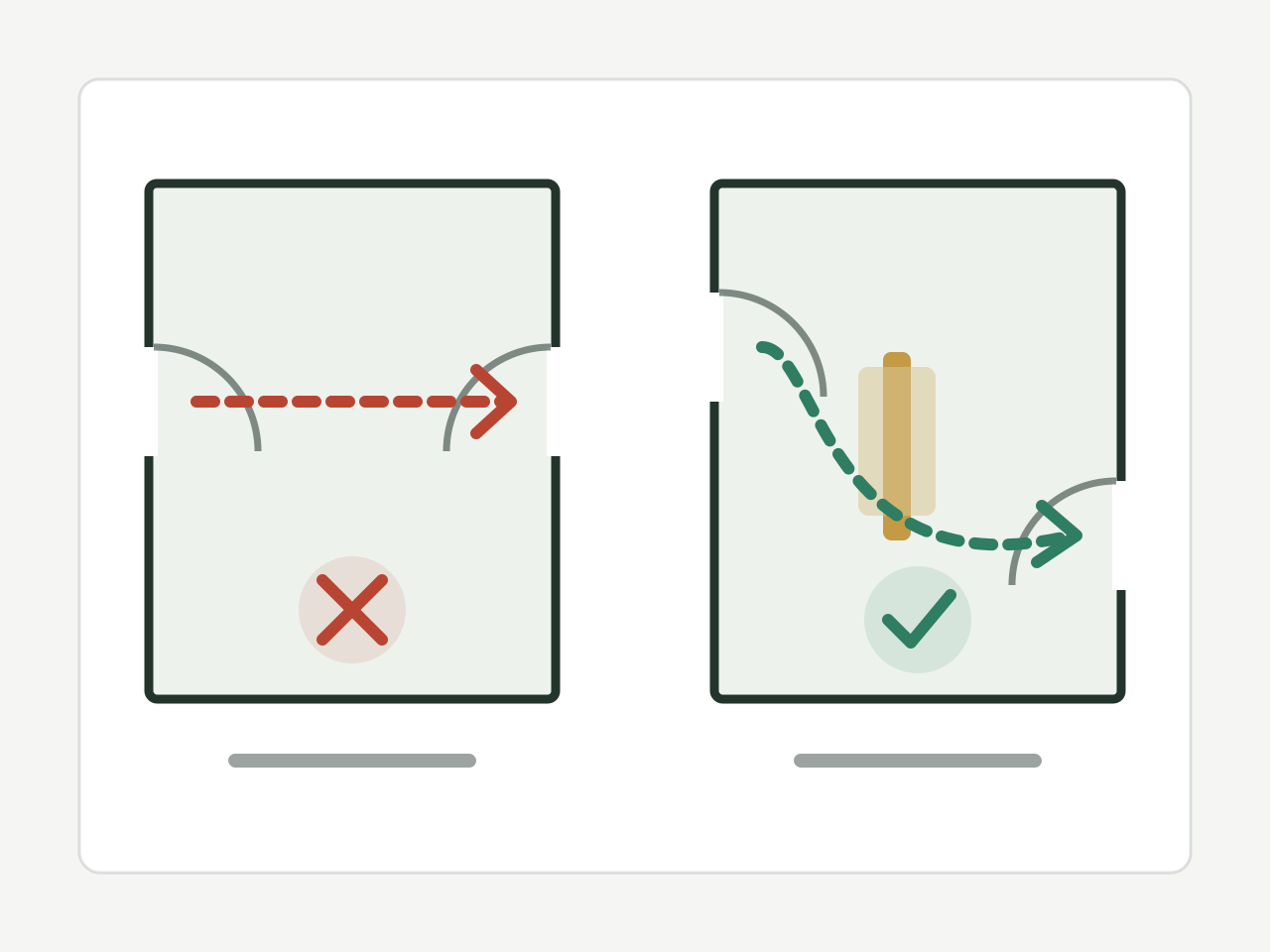
- The door opens straight onto a toilet, the stove, or a back door or window. The first thing you see sets the tone; a toilet or a straight run to the back is the usual worry. A console, a screen, or a rug breaks the line.
- A broken, squeaky, or sticking door. Tradition reads it as obstructed energy; practically, a door that fights you every day is a small daily irritation. Fix the hinge, the lock, the swing.
- A blocked door swing. If the door cannot open fully because of furniture or clutter behind it, clear it. This one is on almost every traditional list and it is simply practical.
A worked example: the door opens and you face the bathroom
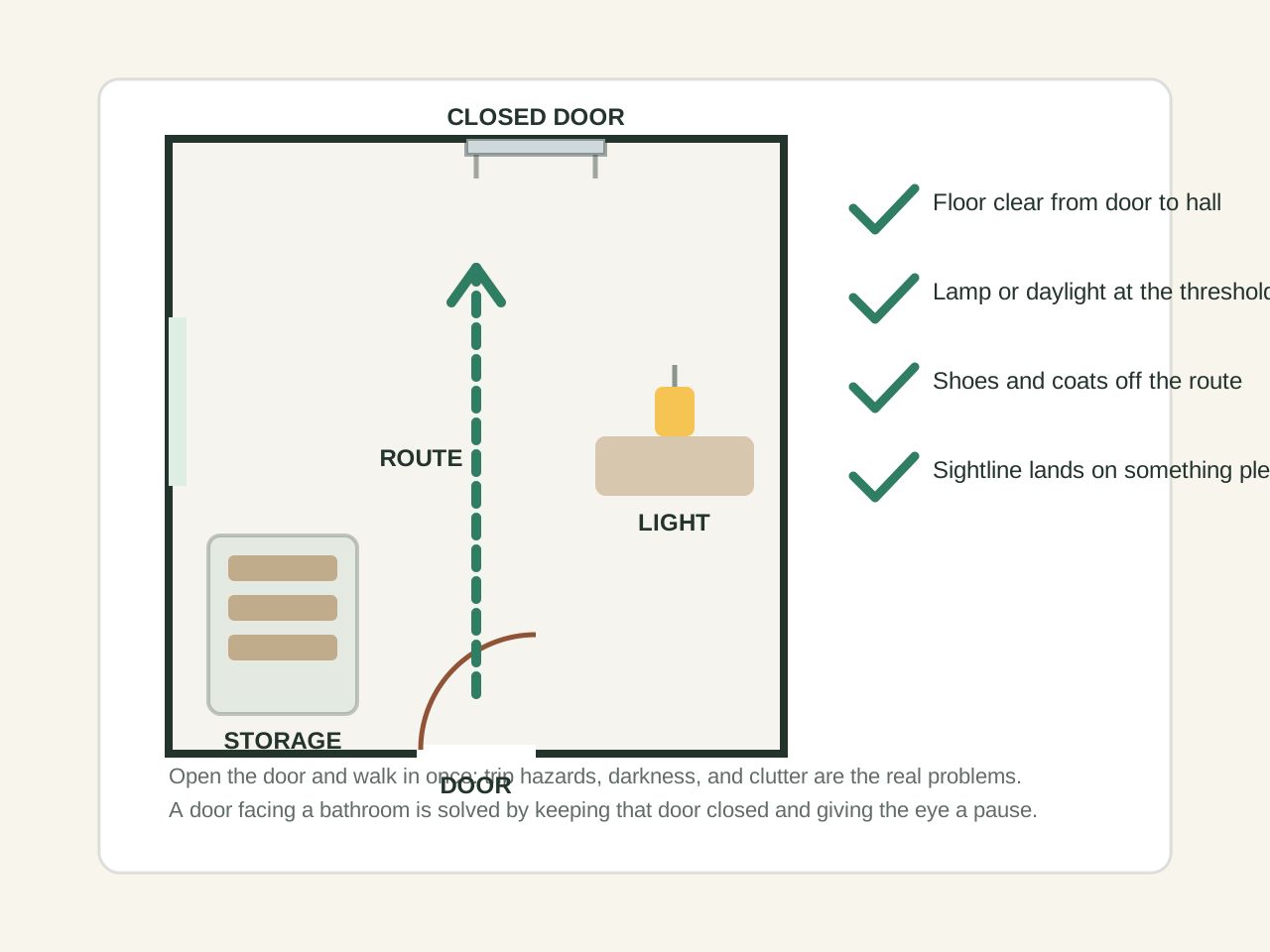
You open the front door and the bathroom door is straight ahead. Online lists will call this a serious money-and-health problem; the useful response is calmer.
Keep the bathroom door closed (the single most effective step), and add a small interruption to the sightline, a console table with a lamp, a plant, or a runner, so the eye lands on something pleasant a step inside rather than on the bathroom. You have addressed the tradition and made the entry nicer to walk into, which is the part that matters.
Mistakes that are mostly inflated online
Plenty of front-door rules are overstated, and chasing them wastes effort:
- Exact compass-facing unlucky directions: these vary by school and birth chart and are easy to over-claim; do not panic about your door direction.
- Door colour as a fortune switch: a fresh, well-kept door helps the first impression, but no colour pays your bills.
- Strict number or shape rules for the door itself: a solid, well-fitted, well-lit door covers the substance.
A short, honest checklist
If you want one pass at the front door, do this and stop: clear the floor and surfaces, make sure the light is warm and working, fix anything that sticks or squeaks, keep the line from the door from shooting straight to a toilet or out the back, and make the door easy to open fully. None of this predicts luck; it makes coming home feel better, which is a fair goal on its own.
Disclaimer: This content is for informational and cultural reference purposes only. It does not constitute professional medical, legal, financial, or psychological advice. Readers should exercise their own judgment and consult qualified professionals for specific concerns.
Sources and review basis
Traditional references explain historical vocabulary and context. Official practical sources support only the observable safety, comfort, or environmental points noted in the article; they do not validate metaphysical claims.
Traditional reference
Huangdi Zhaijing (黄帝宅经)Wikisource digital text · Accessed 2026-07-14
Historical context for traditional residential orientation and spatial vocabulary. Modern recommendations are reviewed separately.
Practical source
US EPA: Indoor Air QualityUnited States Environmental Protection Agency · Accessed 2026-07-14
Practical background for ventilation, pollutants, combustion sources, and indoor air concerns.