A study room is a focus room, and feng shui has useful things to say about focus
The study room or home office is where feng shui and ergonomics overlap most cleanly. The tradition's advice about desk placement, lighting, and the view from the chair aligns almost perfectly with what productivity research tells us about focus and concentration.
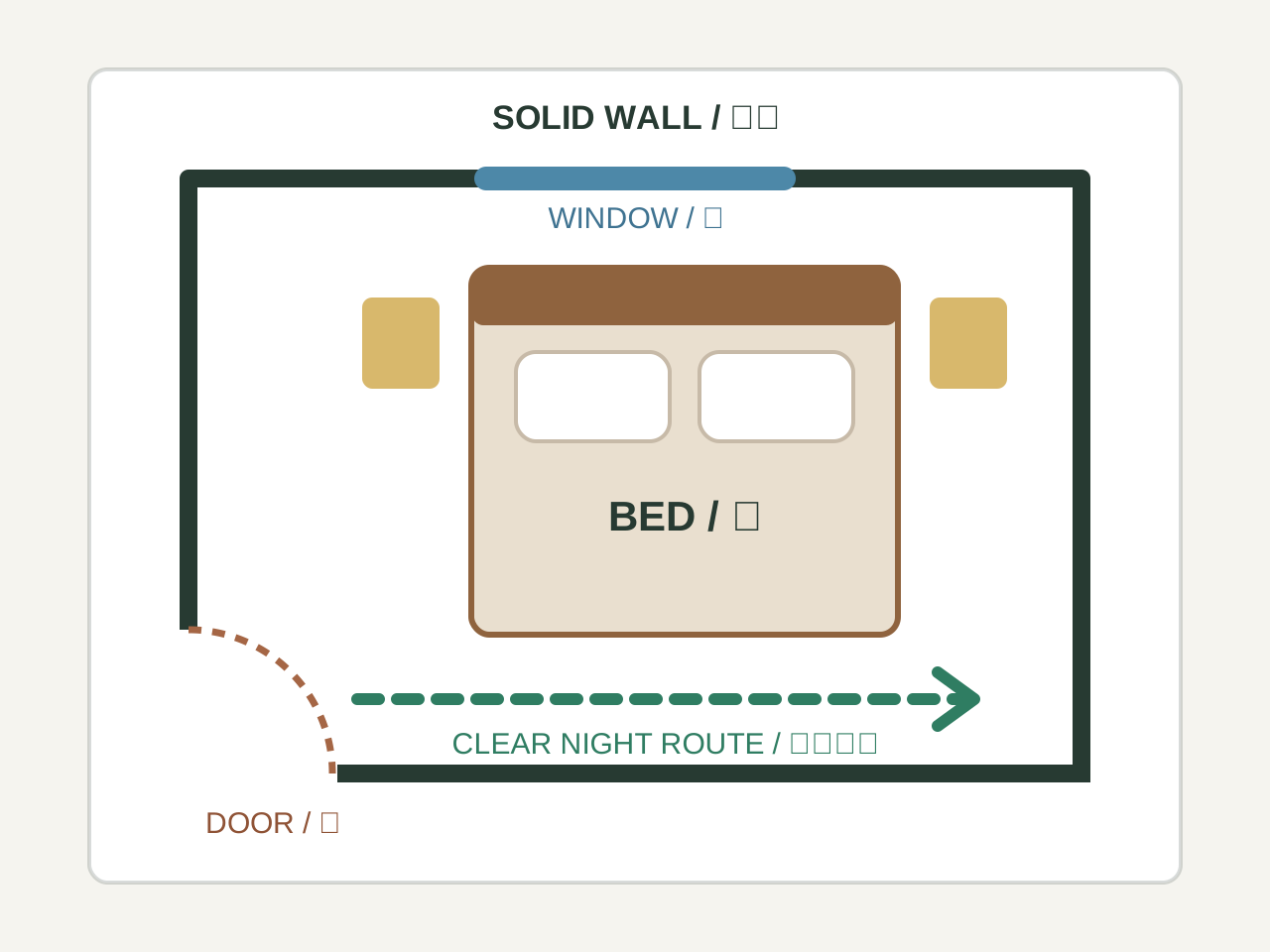
The core principle is the command position, applied to a desk. The person at the desk should be able to see the door without being directly in line with it, and the desk should have a solid wall behind it. This is not about energy; it is about the feeling of being in control of your space. When you can see who is entering, your brain spends less processing power on vigilance and more on the task at hand.
The four rules of a productive study space
These are the things that make a measurable difference to focus and output:
- Desk facing the door, not against a wall. The command position means the desk should be positioned so you can see the door from your seat. A desk pushed against a wall with your back to the door is the least productive orientation.
- Natural light from the side, not from behind or in front. Side lighting reduces glare on screens and shadows on the workspace. A window directly behind you creates screen glare; a window directly in front is distracting.
- A clear desk surface. The desk should hold only what you are working on right now. Everything else, papers, books, devices, should have a home off the desk. Visual clutter is cognitive load.
- A comfortable, supportive chair. This is the single most important piece of furniture in the room. A bad chair causes physical discomfort that breaks concentration. Invest in the chair before you invest in anything else.
A worked example: the desk that faces the wrong way
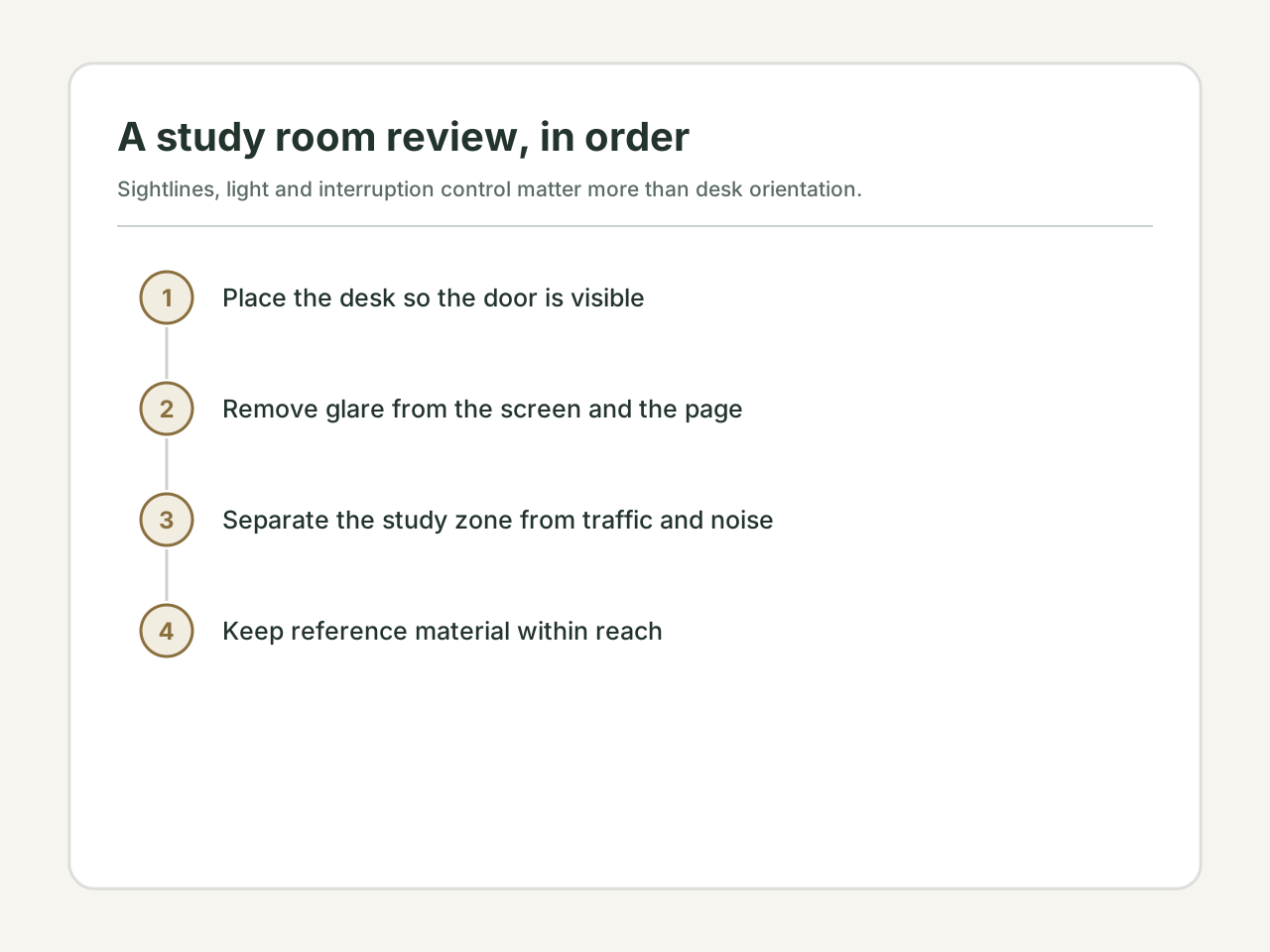
A common home office setup: a desk pushed against the wall, facing the wall, with the door behind the occupant. The room has good light, a comfortable chair, and a clean desk, but the occupant feels restless and finds it hard to concentrate for long periods.
The fix is to turn the desk around so it faces into the room, with the door visible from the seat. If the room is too small for this, angle the desk so the door is visible in peripheral vision, or add a small mirror on the desk that reflects the door. The difference is immediate and noticeable: the feeling of being exposed from behind disappears, and focus improves. This is not mystical; it is human psychology.
What to put in a study room, and what to leave out
The study room is the one room where less is genuinely more. Every object in the room is either supporting focus or competing with it:
| Good for a study room | Bad for a study room |
|---|---|
| A single healthy plant, preferably with rounded leaves | A television or gaming console in the same room |
| A bookshelf with books you actually use | A bed or sofa that invites napping instead of working |
| A vision board or a single piece of motivating art | Cluttered walls covered in too many images or notes |
| Good task lighting: a desk lamp with adjustable brightness and colour temperature | A single harsh overhead light with no other light sources |
| A clock visible from the desk | A mirror that reflects the desk, which can be distracting |
Keeping study room feng shui for academic success in proportion
A well-arranged study room supports focus and concentration. It does not predict academic results, career success, or exam performance. The feng shui tradition offers a useful framework for arranging a workspace, but the real work happens when you sit down and do it. A perfect desk position will not compensate for a lack of effort, and a bad desk position will not prevent a determined person from succeeding. Use the tradition as a setup checklist, and then get to work.
Disclaimer: This content is for informational and cultural reference purposes only. It does not constitute professional medical, legal, financial, or psychological advice. Readers should exercise their own judgment and consult qualified professionals for specific concerns.