Chinese Astrology

Tai Sui: The Grand Duke Jupiter Guide

This page explains Tai Sui: The Grand Duke Jupiter Guide as a practical cultural reference, covering the core idea, common use cases, careful checks, and responsible limits so readers can compare traditional guidance with real conditions.

2026-03-12 · Updated 2026-06-08

B

Reviewed by BaZi Report Editorial Team

Our editorial team researches classical Chinese metaphysics and feng shui texts, fact-checks references against the original sources, and reviews every article before publication. We aim to keep traditional concepts clear and practical, and we stay transparent about what these readings can and cannot tell you.
Use this guide to understand Tai Sui: The Grand Duke Jupiter Guide in context, compare several signals, and avoid treating any single traditional rule as a fixed promise.

Tai Sui is a traditional concept, not a supernatural force

Tai Sui (太岁), often translated as 'Grand Duke Jupiter,' is a traditional Chinese astrological concept. In the Chinese calendar, Tai Sui refers to the deity or energy that governs each year. The position of Tai Sui changes annually, moving through the twelve earthly branches (the animal signs). Certain signs are said to be 'in conflict' with Tai Sui in a given year, and traditional practice recommends specific behaviours to maintain harmony.

The honest view: Tai Sui is a cultural concept, not a literal force that can harm you. The traditional practices around Tai Sui — facing certain directions, avoiding certain activities, wearing specific colours — are cultural rituals that have been passed down through generations. They are similar to other cultural practices like avoiding walking under ladders or throwing salt over your shoulder. They are meaningful within their cultural context, but they are not scientifically verified. The best way to understand Tai Sui is as a traditional framework for mindfulness and intention-setting at the start of each year.

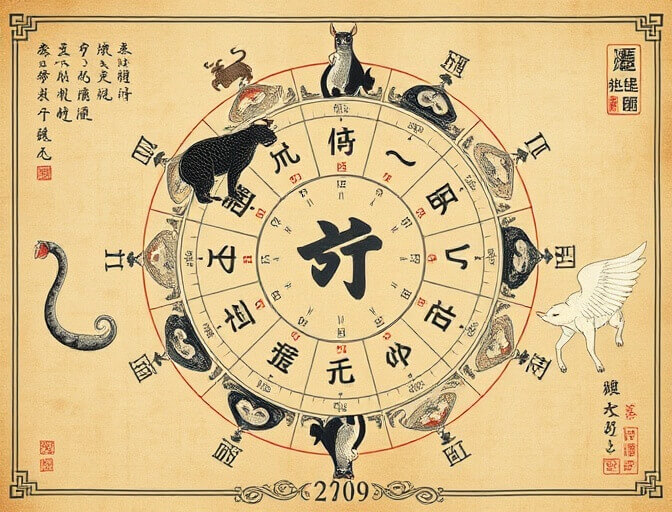
Tai Sui Grand Duke Jupiter annual reference showing zodiac clash and affliction directions for the year

Signs affected by Tai Sui each year

The signs that are traditionally said to be affected by Tai Sui change each year based on the year's animal sign:

Tai Sui relationshipWhich signs are affectedWhat it traditionally meansPractical interpretation
Sitting on Tai Sui (值太岁)The sign that matches the year's signDirect confrontation with the year's governing energy. The most significant Tai Sui relationshipA year of high visibility and potential change. You are in the spotlight. Things may feel more intense than usual. This can be an opportunity for growth if you stay grounded
Clashing with Tai Sui (冲太岁)The sign opposite the year's sign on the zodiac wheelDirect opposition to the year's energy. Traditionally the most challengingA year of potential conflict and change. Things may feel unstable. But change can be positive — it can break you out of stagnation and open new paths
Harming Tai Sui (害太岁)The sign six positions away from the year's signSubtle, hidden difficulties. Less dramatic than clashing but more persistentA year of potential misunderstandings and hidden obstacles. Pay attention to details. Double-check agreements. Be patient with slow progress
Punishing Tai Sui (刑太岁)Signs with a punishing relationship to the year's signFriction, disputes, and potential legal issuesA year of potential interpersonal tension. Be careful with contracts and agreements. Practice patience and diplomacy
Breaking Tai Sui (破太岁)The sign that 'breaks' the year's signBreakdowns, endings, and disruptionsA year of potential endings and clearing away. Things that no longer serve you may fall away. This can be liberating if you let go willingly

Three rules for understanding Tai Sui

Here is how to think about Tai Sui practically:

  • Tai Sui is a framework for mindfulness, not a threat. The traditional practices around Tai Sui — prayer, offerings, wearing red — are cultural rituals that help people feel more in control of an uncertain future. The real value is in the mindfulness and intention-setting they encourage, not in any supernatural protection they provide.
  • Tai Sui year is a reminder to be more careful, not more fearful. The 'affected' signs are a reminder to pay more attention — to your health, your relationships, your decisions. Everyone should do this every year, regardless of their sign. Tai Sui simply gives you a specific cultural framework for doing so.
  • The practical advice is universally useful. Whether or not you believe in Tai Sui, the practical advice associated with it — be careful with contracts, strengthen relationships, take care of your health, avoid unnecessary risks — is good advice for anyone in any year. Tai Sui is a traditional wrapper around sensible life advice.

A worked example: a person clashing with Tai Sui

A man born in the Year of the Rat faces a Horse year. The Rat clashes with the Horse, so he is 'clashing with Tai Sui.' The traditional advice: avoid major risks, be careful with investments, pay attention to health, and consider visiting a temple to pray to Tai Sui.

He takes the practical parts of this advice seriously. He reviews his investment portfolio and reduces exposure to risky assets. He schedules a health check-up. He makes an effort to strengthen his relationships with family and colleagues. He does not visit a temple because he is not religious, but he does take time to reflect on his goals and intentions for the year.

During the year, he faces a business setback (a 'clash' event). But because he had reduced his financial risk and strengthened his support network, he navigates it successfully. He did not avoid the challenge — the challenge happened. But he was prepared for it. The Tai Sui framework gave him the motivation to prepare.

The point: the value of Tai Sui is not in predicting or preventing problems. It is in the preparation it encourages. A person who prepares for a challenging year is better off than a person who does not — regardless of whether Tai Sui is real.

The honest limit

Tai Sui is a traditional Chinese cultural concept, not a scientifically verified phenomenon. It is a framework for mindfulness, intention-setting, and preparation at the start of each year. The traditional practices associated with Tai Sui are cultural rituals with meaning within their context. They should not be treated as guarantees of protection or as substitutes for practical planning and responsible decision-making. The best use of Tai Sui is as a cultural framework for being more intentional about your year.

Disclaimer: This content is for informational and cultural reference purposes only. It does not constitute professional medical, legal, financial, or psychological advice. Readers should exercise their own judgment and consult qualified professionals for specific concerns.

Keep reading

Related articles

Content Note

This article is based on publicly available materials in traditional Chinese metaphysics and feng shui. It is intended as cultural reference and background knowledge only. Metaphysical predictions and feng shui suggestions are not substitutes for professional medical, legal, financial, or psychological advice. We encourage readers to apply their own judgment when interpreting the content. Learn more about our content guidelines