The TV wall is the elephant in the living room
Traditional feng shui has no category for televisions, and the modern obsession with TV wall feng shui is mostly an internet invention. The TV is the largest single visual element in most living rooms, and where it goes determines how the room is used. The feng shui concern is straightforward: the TV should not dominate the room to the exclusion of everything else, and it should not be the only thing the seating faces.
The practical principle is balance. The TV should be a feature of the room, not the room's entire reason for existing. A living room where every seat faces the screen is a viewing room, not a living room, and the feng shui tradition would flag it as a room with no balance, which is a fair observation.
Three TV wall decisions that keep a living room livable
These are the practical guidelines that make a room with a TV still feel like a living room:
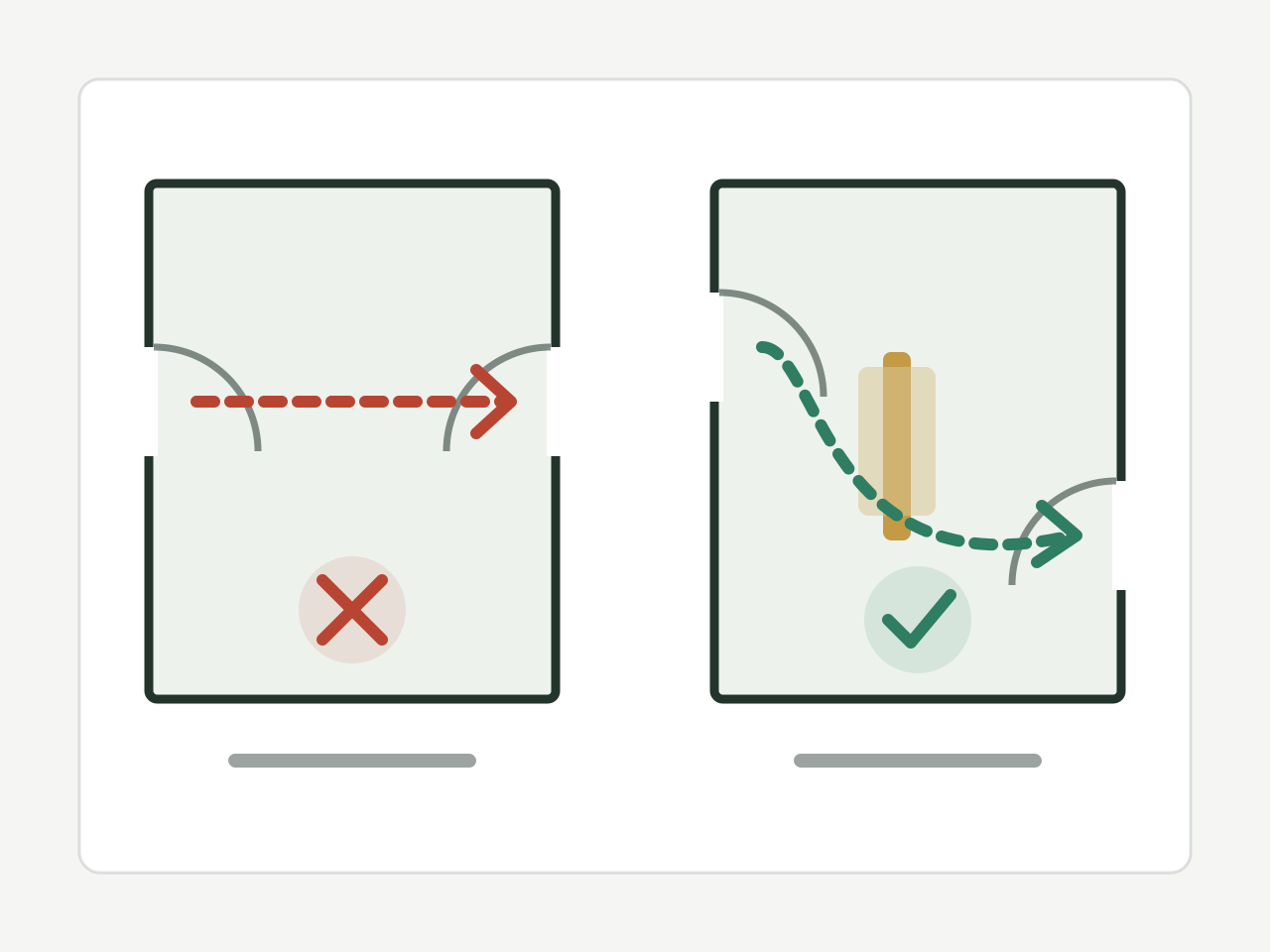
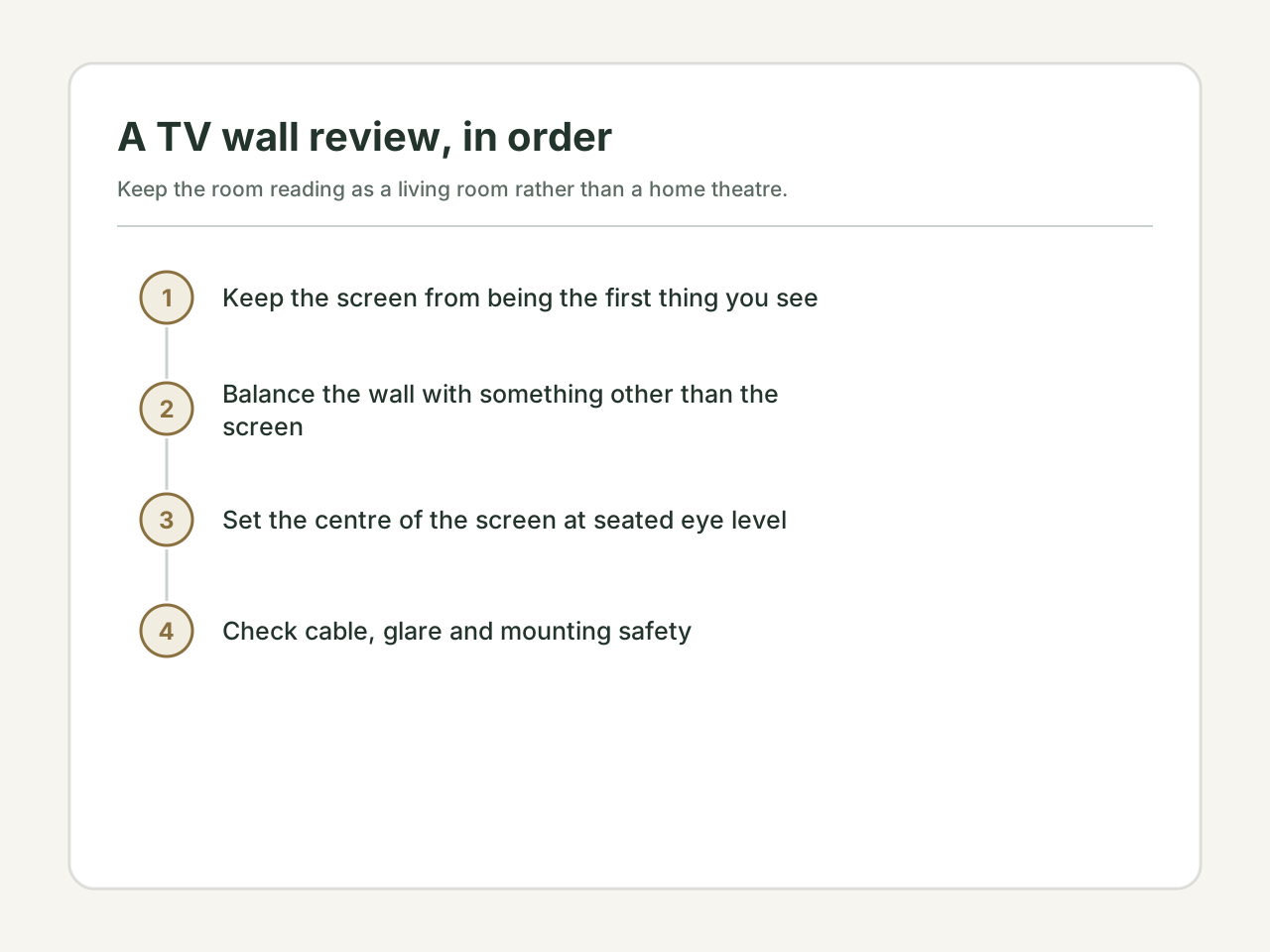
- The TV should not be the first thing you see when you enter. If the TV is directly opposite the door, the room reads as a home theatre. Angle the seating or place the TV on a side wall so the entrance leads to the seating area, not to the screen.
- The TV should not be the only focal point. Balance the TV wall with bookshelves, artwork, plants, or a fireplace. The wall should have visual interest beyond the black rectangle.
- The TV should be at seated eye level. The centre of the screen should be roughly at eye level when you are seated. A TV mounted too high, above a fireplace for example, creates a room where people crane their necks, and that physical discomfort is a genuine feng shui issue.
A worked example: the TV-above-the-fireplace problem
A common living room layout in newer homes places the fireplace on the main wall and the TV is mounted above it. The fireplace is the traditional focal point, but the TV is the functional one. The result is a TV that is too high, a viewing angle that strains the neck, and a room that feels awkward.
The fix, if the room allows it, is to place the TV on a different wall at eye level and arrange the seating to face both the TV and the fireplace at an angle. If the room does not allow it, a pull-down TV mount that brings the screen to eye level when in use is the best mechanical solution. This is not a feng shui problem; it is an ergonomics problem, and the fix is ergonomic.
Screen size, cables, and the things that quietly drain a room
The feng shui concerns about the TV wall are mostly about visual clutter and proportion. A TV that is too large for the wall, a tangle of visible cables, a glossy black screen that dominates when it is off, these are the real feng shui problems. The fixes are practical: choose a TV size that leaves at least 30 cm of wall visible on each side, manage the cables so they are not visible, and consider a TV that displays artwork or a muted screen when it is off. A room that looks like a tech showroom is not a settled space.
Where TV wall feng shui advice stops
A TV wall that is balanced with other visual elements, at a comfortable viewing height, and free of cable clutter is good feng shui. The TV itself is not a feng shui problem, and you do not need to hide it behind a cabinet or cover it with a cloth. It is a piece of furniture in a modern living room. Treat it as one, and focus on making the room feel like a place where people gather, not just a place where they watch.
Disclaimer: This content is for informational and cultural reference purposes only. It does not constitute professional medical, legal, financial, or psychological advice. Readers should exercise their own judgment and consult qualified professionals for specific concerns.