The bathroom problem is real, but the concern is usually simpler than it sounds
Bathrooms get more feng shui attention than almost any other room, and the concern is not arbitrary. The tradition associates bathrooms with water and drainage, which in a system built around the movement and containment of qi reads as a place where energy can leave. The practical version is simpler: bathrooms are wet, enclosed, and often poorly ventilated, and when one opens directly onto a kitchen, bedroom, or front door, those qualities become visible, smellable, or audible in the rest of the home.
Most bathroom feng shui remedies are really about three things: keeping the room dry, keeping the door closed, and making sure it does not dominate the visual or sensory experience of the rooms around it.
The three bathroom problems that actually matter, ranked
Not all bathroom concerns are equal. Here is the order of priority, from genuinely worth fixing to mostly internet noise:
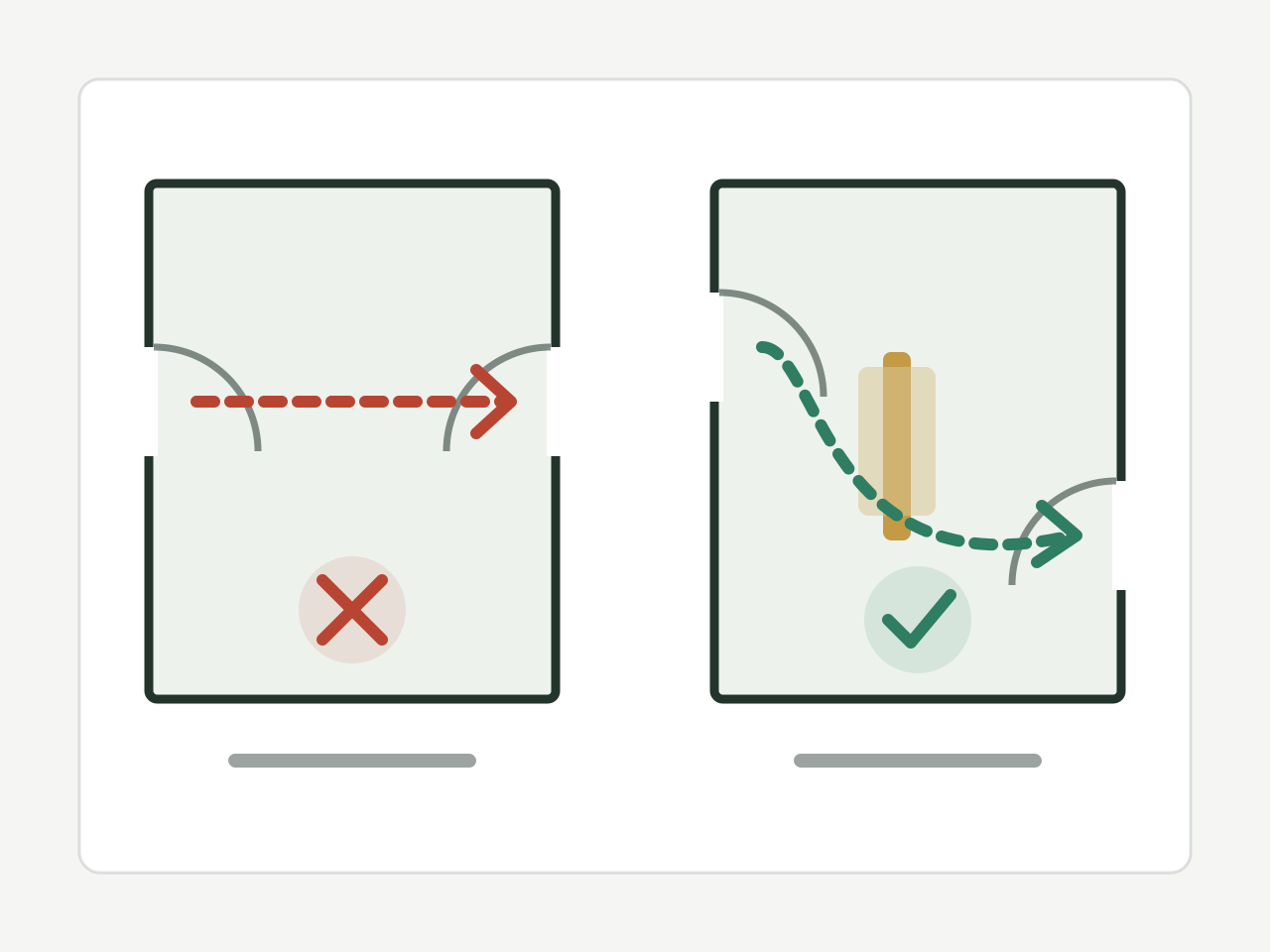
- Bathroom door facing the kitchen or dining area. This is the most cited bathroom problem, and it has a real basis. The kitchen is where food is prepared; having a toilet visible from the cooking area is genuinely unpleasant. The fix is as simple as keeping the door closed and adding a soft door closer.
- Bathroom above or directly adjacent to the bedroom. The concern is noise, damp, and the sound of water running through pipes. A dehumidifier, good ventilation, and sound insulation are the real remedies; crystals and mirrors are secondary.
- Bathroom in the centre of the home. The traditional objection is that the centre is the heart of the house and should not be a drainage point. The practical issue is that a central bathroom is often windowless and poorly ventilated. A powerful extractor fan and keeping the door closed cover most of it.
- Bathroom door facing the front door. Less common than advertised. If it happens, the fix is a screen, a plant, or simply keeping the bathroom door closed. This is a visual preference, not a crisis.
- Toilet in the wealth corner. The most overblown concern. If the bathroom is in the southeast of the home, keep it clean, dry, and well-maintained. The house is not losing money through the toilet.
A worked example: the bathroom with no window
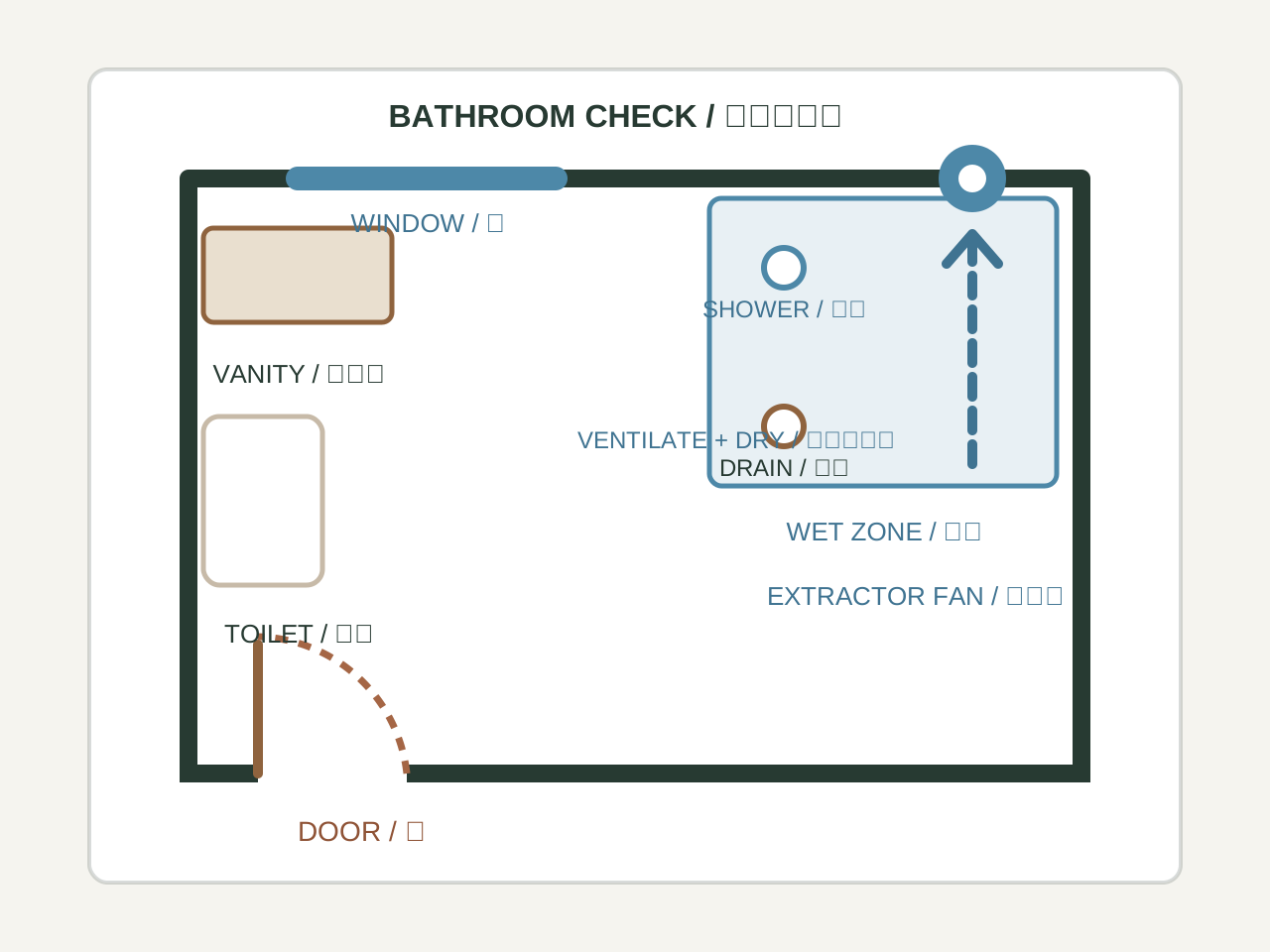
A common bathroom in a mid-floor flat has no exterior window, only a ventilation shaft. The room is damp, smells linger, and the door opens onto a narrow hallway between the kitchen and the bedroom. This is the kind of bathroom that feng shui books flag, and the fix is almost entirely mechanical.
Install a proper extractor fan with a timer that runs for 15 minutes after the light is turned off. Add a small dehumidifier if the climate is humid. Keep the door closed at all times. Use a light, warm paint colour to make the room feel less closed in. Add a small plant if there is enough light; if not, do not force it. None of this is mystical, and all of it works.
Traditional remedies matched to actual problems
The classical remedies are worth understanding because they point at real issues, even if the language is symbolic:
| Traditional concern | Classical remedy | What it actually addresses |
|---|---|---|
| Water draining wealth | Keep the toilet lid closed and the door shut | Visual closure and odour containment; the real benefit is a tidier room |
| Bathroom in the wealth sector | Earth-element colours and objects | Earthy tones (beige, terracotta, warm grey) make a small room feel grounded; the colour itself does not affect finances |
| Mirror in the bathroom | Avoid mirrors that face the toilet or door | A mirror that catches the toilet from the bed is visually unpleasant; angle it or cover it at night |
| Leaks and damp | Fix all leaks immediately | This one is literal: damp causes mould, which is a genuine health issue. Fix the leak, not the symbolism |
The checklist that actually fixes a bathroom
If you do nothing else, work through this list in order. It covers 90% of what a bathroom needs, feng shui or not:
- Fix every leak and every drip. A dripping tap is wasted water and a sound that erodes calm.
- Install or upgrade the extractor fan. The bathroom should be dry within 30 minutes of a shower.
- Keep the door closed. This is the single simplest remedy and the most effective.
- Keep the toilet lid down. It is tidier, and it is the one bathroom habit every tradition agrees on.
- Use warm, light colours on the walls. Avoid dark tiles that make a small room feel smaller.
- Add a plant only if there is natural light. A struggling plant in a dark bathroom is worse than no plant.
What bathroom feng shui can and cannot do
A clean, dry, well-ventilated bathroom is good feng shui. The rest, mirrors, crystals, bagua placements, is optional decoration that should not distract from the basics. A bathroom does not drain your wealth, and an expensive cure will not fix a room that is damp and dark. Fix the room first, and treat the tradition as a reminder to keep it clean and intentional.
Fix moisture before symbolism
A bathroom complaint is usually about damp, odour, cold, noise, or storage. Before considering any symbolic remedy, record where water goes and where it stays: check the extractor or window, the drying line, the shower screen, seals and grout, the floor slope, and whether towels or mats stay wet. Photograph the same corner before and after a change so the comparison is honest.
Persistent damp has real consequences. The US EPA mould reference describes how moisture supports mould growth and why the source of water must be controlled; it does not describe a symbolic cure. If you find recurring mould, a musty smell, peeling paint, or water staining, treat it as a building or ventilation issue and involve the landlord or a qualified trade rather than masking it with an ornament or a plant.
Choose the cheapest reversible measure first: run the extractor longer, leave the door or window open after use, add a squeegee, raise stored items off the floor, or improve a drying route. Give it two weeks and compare notes on odour, drying time, and visible condensation. Keep traditional preferences for colour, mirror, or plant placement as a secondary layer that can be removed at any time without affecting drainage, ventilation, or safety.
- Locate the water source before choosing any remedy.
- Separate an extractor, seal, or drainage fault from a preference about colour or mirrors.
- Record drying time and odour, not just how the room looks.
What the sources can and cannot support
The Huangdi Zhaijing (宅经) reference below is a historical text, not a building standard. It can be used to check whether a modern explanation matches the tradition it cites; it cannot show that a mirror, colour, or plant changes health, finances, or family relationships.
Where a claim touches damp, air quality, or hygiene, only a measurable source is useful. The EPA mould guidance supports finding and stopping the water source; it does not support a claim that a particular object absorbs misfortune. When the measurable evidence points to a defect, repair takes priority over symbolism.
If the room belongs to a tenant, a shared household, or someone with limited mobility, describe the practical option range and the cost and reversibility of each. State which parts of the suggestion are traditional. Stop and seek qualified help for electrical work, gas, waterproofing, or any suspected structural problem.
Bathroom remedy decision table
Work down the table before choosing anything decorative. The escalation column marks the point where the problem stops being a preference and becomes a maintenance or safety matter that needs the owner or a qualified trade.
| Complaint | Measure or check first | Cheapest reversible option | Escalate when |
|---|---|---|---|
| Persistent damp or musty smell | Drying time after a shower; visible condensation | Run the extractor 20 minutes longer; add a squeegee | Mould returns after cleaning, or staining spreads |
| Cold, clammy floor | Floor temperature; how long mats stay wet | Raise stored items; change the mat material | Water staining, cracked tiles, or a leaking seal |
| Clutter on every surface | Count of items left on the floor or basin | Add a hook rail or a shelf before any joinery | Fixing would breach waterproofing or tiling |
| Dark, unpleasant corner | Light level and colour of the finish | Add a moisture-rated lamp or a lighter shade | Any new fitting sits inside a wet zone |
Disclaimer: This content is for informational and cultural reference purposes only. It does not constitute professional medical, legal, financial, or psychological advice. Readers should exercise their own judgment and consult qualified professionals for specific concerns.
Sources and review basis
Traditional references explain historical vocabulary and context. Official practical sources support only the observable safety, comfort, or environmental points noted in the article; they do not validate metaphysical claims.
Practical source
US EPA: MoldUnited States Environmental Protection Agency · Accessed 2026-07-14
Practical guidance for moisture control and mold prevention in bathrooms, homes, and renovation work.